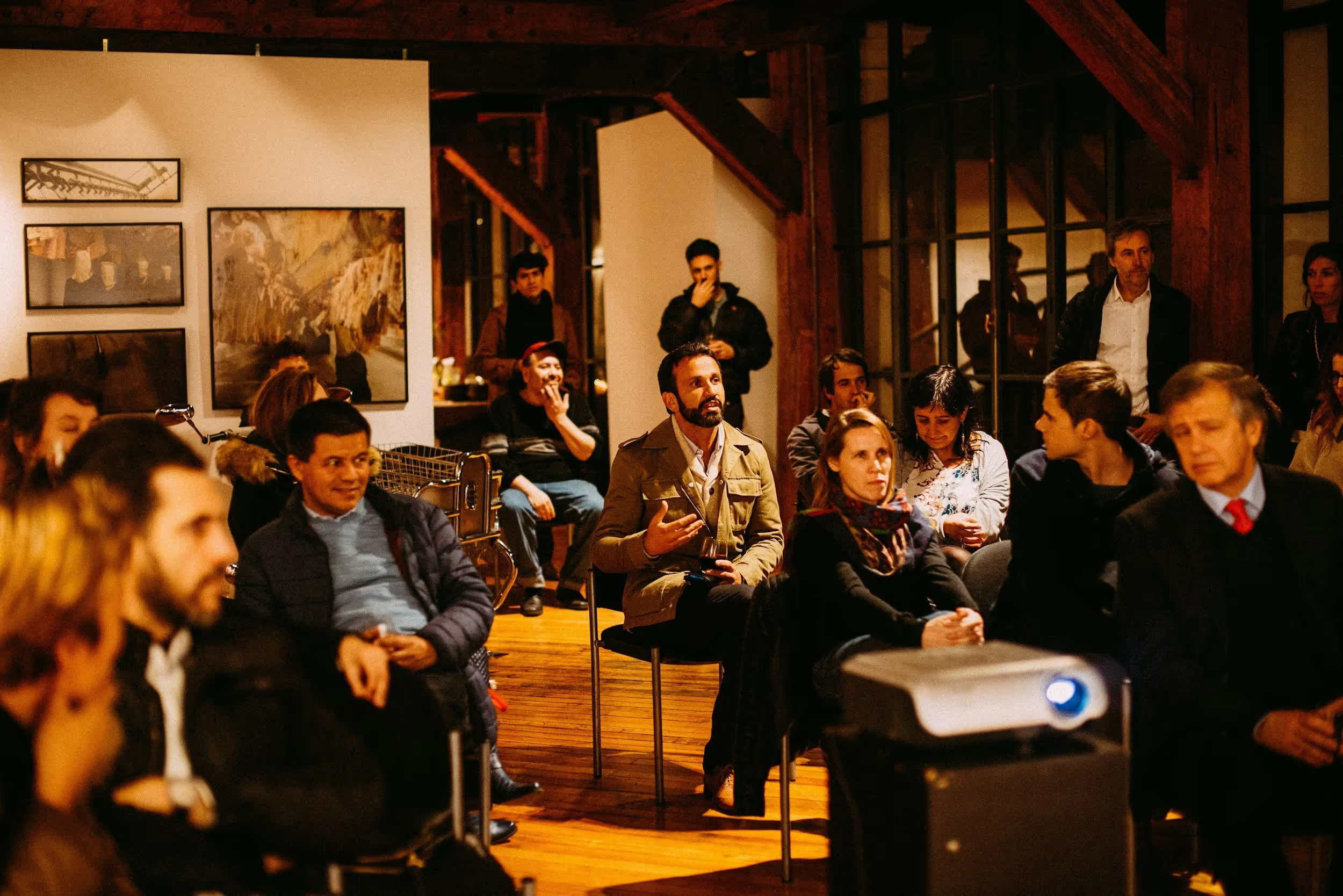
Imagine you’re planning two very different events: a leadership retreat in Lisbon and a global hybrid product launch streamed to 2,000 attendees.
Now imagine using the same platform for both.
That’s where the TeamOut vs SpotMe conversation begins. While both sit under the “event management” umbrella, they solve entirely different operational problems. This comparison breaks down how they differ in purpose, capability, and long-term fit.
What Is TeamOut?
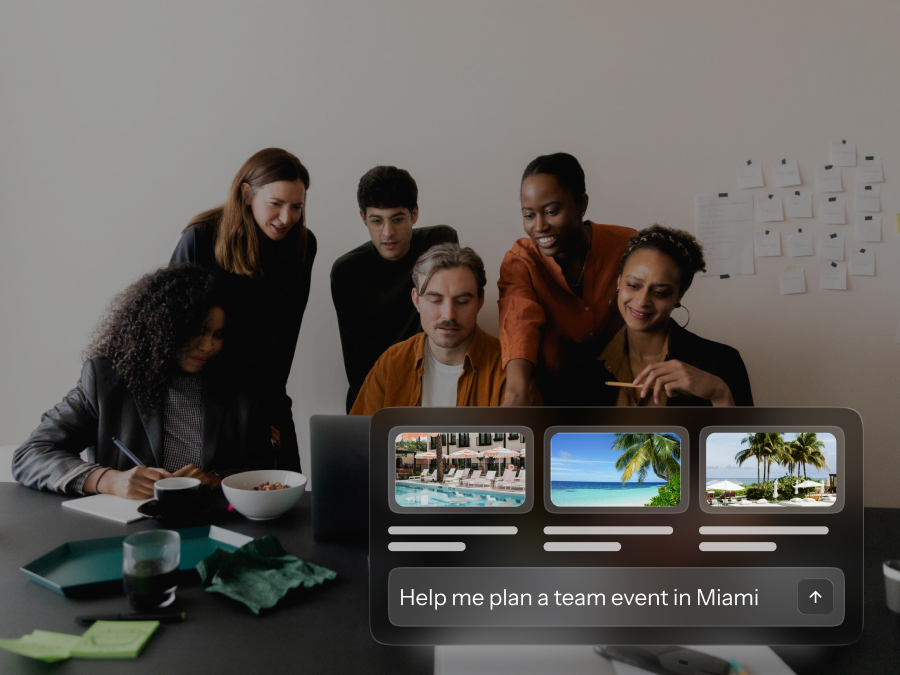
TeamOut is primarily designed for planning company retreats and offsites. Its core focus is logistical coordination rather than conference-style engagement.
Core capabilities include:
- Venue discovery and sourcing
- Accommodation coordination
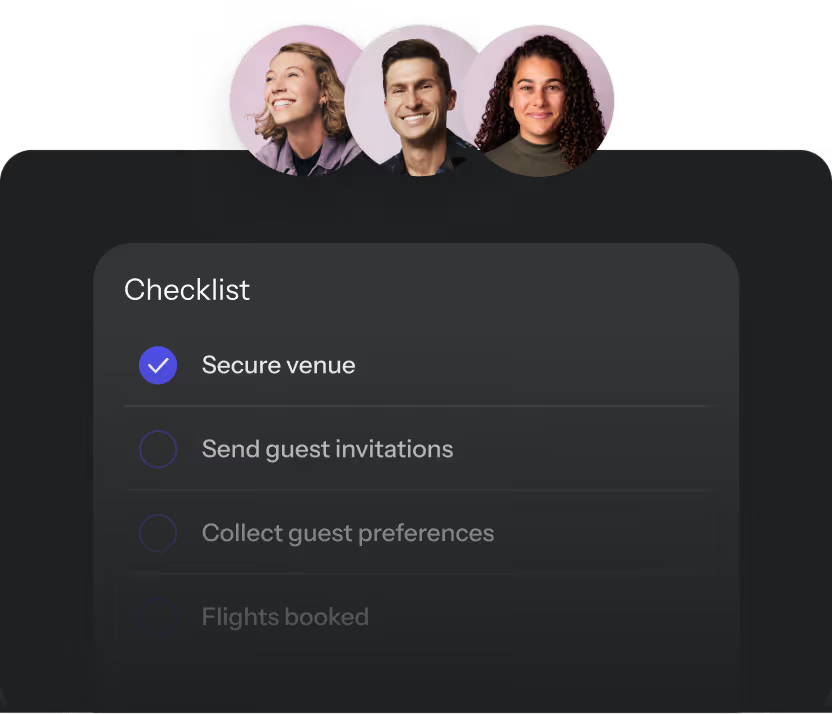
- Budget tracking and cost visibility
- Vendor management for retreats
- End-to-end planning support for internal gatherings
TeamOut is typically used by HR teams, remote-first organizations, and startups organizing in-person corporate retreats.
What Is SpotMe?
SpotMe is a digital-first event management platform built for virtual and hybrid experiences, often used in corporate and regulated environments.
Core capabilities include:
- Virtual and hybrid event hosting
- Interactive session delivery
- Attendee engagement tracking
- Secure communication tools
- Compliance-ready reporting features
SpotMe is frequently selected for conferences, product launches, training programs, and global hybrid events.
Platform Comparison: User Interface and Experience
Ease of use depends heavily on event format.
TeamOut emphasizes:
- Planning dashboards
- Venue comparison views
- Budget transparency
- Coordination workflows
SpotMe emphasizes:
- Digital event portals
- Interactive session tools
- Attendee-facing engagement features
- Structured content delivery
For logistics-heavy retreats, TeamOut’s interface may feel more intuitive. For structured digital conferences, SpotMe’s experience is more aligned.
Event Management Capabilities
Registration and attendee management tools differ significantly.
TeamOut focuses on:
- Participant coordination
- Travel and accommodation tracking
- Budget approvals
- Vendor scheduling
SpotMe supports:
- Registration workflows
- Agenda building
- Session tracking
- Attendance analytics
SpotMe provides more depth for content-heavy events. TeamOut prioritizes physical event coordination.
Audience Engagement Tools
Engagement is a defining difference in TeamOut vs SpotMe.
SpotMe offers:
- Live polling and Q&A
- Chat and networking tools
- Gamification features
- Engagement scoring
TeamOut does not center on digital engagement tools, as its purpose is retreat logistics rather than conference interaction.
If networking and live session engagement are core requirements, SpotMe typically offers greater functionality.
Virtual Event Specific Features
SpotMe supports:
- Live streaming integrations
- On-demand content hosting
- Virtual session rooms
- Engagement tracking dashboards
TeamOut is not positioned as a virtual event broadcasting platform. Its capabilities are primarily focused on in-person coordination.
For virtual or hybrid events, SpotMe provides broader infrastructure.
Mobile Event Experience
SpotMe includes:
- Dedicated mobile event app
- Push notifications
- Session reminders
- Interactive participation tools
TeamOut’s mobile functionality centers on coordination and itinerary management rather than interactive conference engagement.
Organizations prioritizing attendee-facing mobile apps generally lean toward SpotMe.
Integration Capabilities
TeamOut integrates with:
- Booking systems
- Accommodation providers
- Payment tools
- Internal budgeting platforms
SpotMe integrates with:
- CRM systems
- Marketing automation platforms
- Data analytics tools
- Compliance tracking systems
For organizations requiring deep marketing and CRM integration, SpotMe typically offers stronger connectivity.
Pricing and Value Proposition
TeamOut pricing is often influenced by:
- Event size
- Accommodation volume
- Venue sourcing services
- Planning support level
SpotMe pricing commonly depends on:
- Event format (virtual or hybrid)
- Number of attendees
- Engagement modules
- Custom configuration needs
ROI depends on event type. Retreat-focused organizations may value TeamOut’s logistics support. Engagement-driven programs may see more measurable digital metrics through SpotMe.
Support and Training Resources
TeamOut generally provides:
- Planning assistance
- Venue coordination support
- Direct communication during event preparation
SpotMe typically provides:
- Platform onboarding
- Technical support
- Event-day assistance
- Documentation and knowledge resources
Support structure often reflects whether the event requires logistical expertise or digital platform configuration.
Real User Reviews and Feedback
TeamOut is commonly praised for:
- Simplifying retreat planning
- Centralizing logistics
- Reducing vendor coordination complexity
Common critiques include:
- Limited conference engagement tools
- Not designed for public events
SpotMe is often praised for:
- Strong engagement features
- Compliance-ready reporting
- Hybrid flexibility
Common critiques include:
- Implementation time
- Pricing transparency
User satisfaction typically correlates with how closely the platform matches the event format.
How to Choose Between TeamOut and SpotMe
Ask yourself:
- Is this event internal or public-facing?
- Do you need live session engagement tools?
- Is accommodation and venue coordination central?
- Are CRM and marketing integrations required?
- Is mobile engagement a priority?
For corporate retreats, TeamOut often aligns more directly. For virtual or hybrid conferences, SpotMe typically provides broader capabilities.
Making the Right Choice for Your Events
The TeamOut vs SpotMe decision comes down to event type and strategic goals.
TeamOut specializes in corporate retreats and in-person offsites, streamlining venue sourcing and logistical coordination. SpotMe focuses on digital engagement and hybrid event management with structured reporting and attendee interaction tools.
Before choosing, clarify whether your event priorities revolve around physical logistics or digital engagement. The platform that aligns with that priority is most likely to deliver meaningful ROI.
Start planning in 2 minutes or less

.avif)

.svg)