

Compare leading vFairs alternatives for conferences, expos, and large-scale digital events.
If you’re searching for a vFairs alternative, you’re likely planning a virtual event that goes beyond basic livestreaming—something immersive, sponsor-friendly, and built for scale.
vFairs has made its name in virtual expos, career fairs, and conference-style environments with 3D booths and interactive spaces. For many organizations, it’s a solid starting point.
But as event strategies evolve, blending virtual, hybrid, and in-person formats, some teams begin looking for platforms that offer more flexibility, different pricing structures, or a broader set of capabilities.
This guide explores the best vFairs alternatives in 2026, breaking down where each platform excels and which types of organizations they serve best.
Understanding vFairs and Why Organizations Explore Alternatives
vFairs is primarily designed for virtual exhibitions and conference-style events. Its strengths include:
- 3D virtual environments
- Sponsor and exhibitor booths
- Career fair functionality
- Engagement tools like chat, polling, and networking
It’s commonly used for:
- Virtual trade shows
- Hiring events
- Large-scale digital conferences
Teams typically start evaluating alternatives when they encounter:
- Pricing structures that don’t align with event frequency
- Limited adaptability for hybrid or in-person components
- Complex setup for smaller events
- A desire for deeper integrations or broader lifecycle management
As virtual events mature, many organizations want a platform that can evolve with them—rather than one optimized for a single format.
How to Evaluate vFairs Alternatives
When comparing vFairs competitors, consider:
- Do you need immersive 3D environments, or streamlined delivery?
- How important are CRM and marketing integrations?
- What level of customization do you require?
- How frequently do you host events?
- What internal technical resources are available?
The right platform depends heavily on event complexity, audience size, and long-term goals.
BoomPop: The Top vFairs Alternative for Hybrid and Flexible Events
BoomPop is a strong vFairs alternative for organizations that want more than immersive virtual environments.
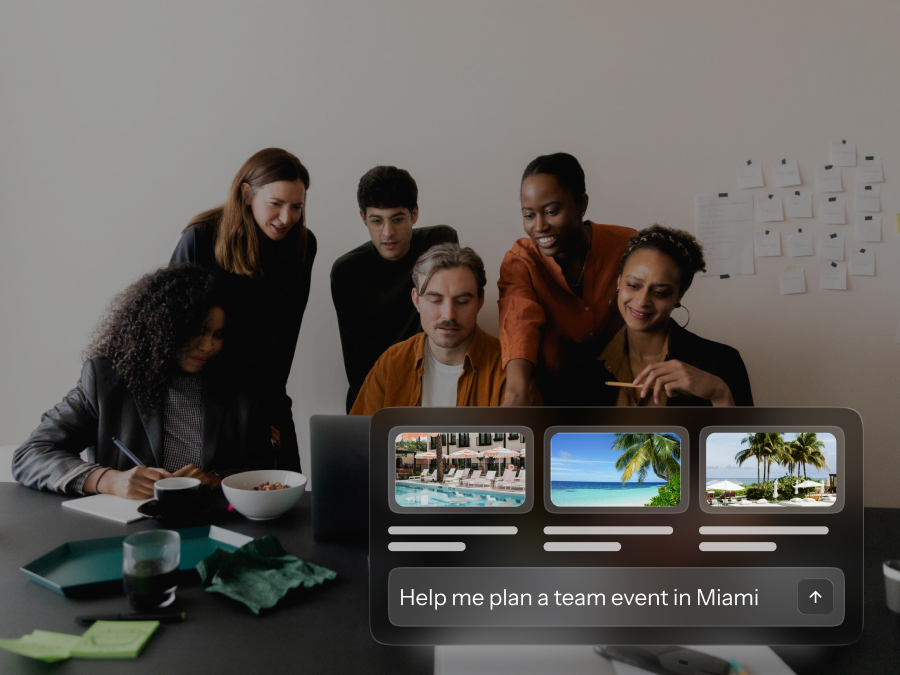
While vFairs specializes in digital expo-style experiences, BoomPop supports in-person and hybrid events of all sizes within one cohesive system.
Key distinctions:
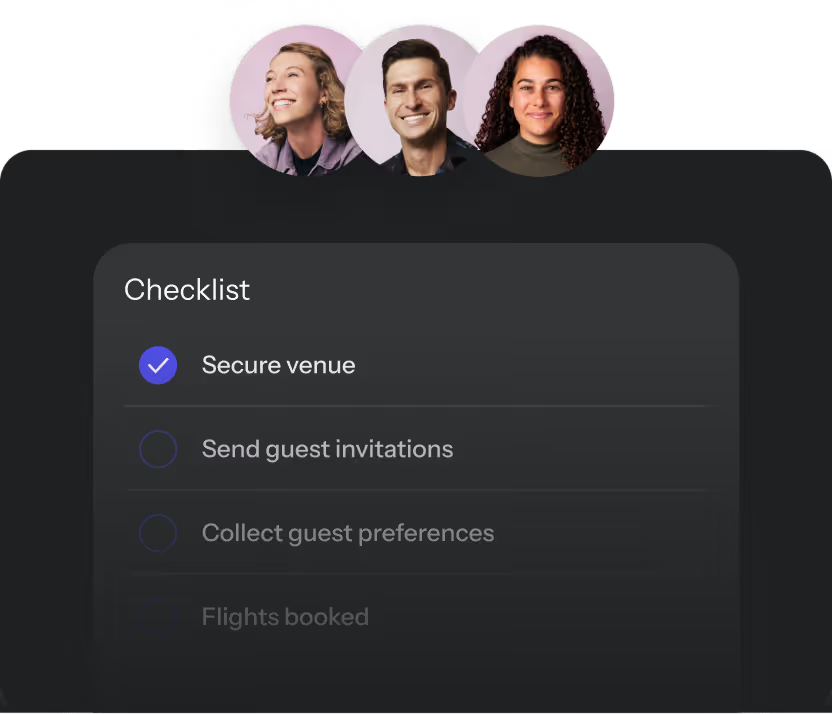
- Handles logistics alongside digital coordination
- Designed for company offsites, internal gatherings, and conferences
- Supports evolving event formats year over year
- Combines technology with real execution support
BoomPop is particularly useful for teams that expect an event mix throughout the year, from intimate retreats or client events to larger company-wide kickoffs or conferences, without switching platforms.
Cvent: Enterprise-Grade Event Infrastructure
Cvent offers comprehensive event management capabilities across virtual and in-person experiences.
Strengths:
- Broad feature coverage
- Strong compliance and data controls
- Enterprise-level integrations
Cvent is best suited for large organizations with complex requirements and dedicated event teams.
RingCentral Events: Interactive Virtual Broadcasts
RingCentral Events (formerly Hopin) focuses on interactive digital events and webinars.
Strengths:
- Scalable live streaming
- Audience engagement tools
- Integration with the broader RingCentral ecosystem
It works well for content-heavy virtual conferences and summits.
Whova: Community-Focused Event Platform
Whova emphasizes attendee engagement and networking through a strong mobile app experience.
Strengths:
- Agenda management
- In-app networking
- Push notifications and engagement tools
Whova is often selected for conferences where community interaction is central.
Eventtia: Flexible Multi-Format Event Platform
Eventtia offers support for virtual, hybrid, and in-person events.
Strengths:
- Customizable workflows
- Registration and engagement tools
- Enterprise scalability
It’s well suited for organizations running multiple event types across regions.
Airmeet: Networking-Driven Virtual Events
Airmeet focuses on meaningful digital networking experiences.
Strengths:
- Structured networking tables
- Interactive breakout sessions
- Strong engagement features
Airmeet works best for connection-driven virtual events rather than exhibition-heavy formats.
Bizzabo: Hybrid-Ready Marketing Platform
Bizzabo blends event marketing, engagement, and analytics.
Strengths:
- Hybrid event capabilities
- Marketing automation integrations
- Strong reporting tools
It’s commonly used for marketing-led conferences and customer events.
Swapcard: AI-Powered Matchmaking and Networking
Swapcard integrates artificial intelligence to enhance attendee matchmaking.
Strengths:
- AI-driven networking
- Sponsor and exhibitor tools
- Flexible event format support
Swapcard is particularly strong when networking and exhibitor ROI are primary goals.
Budget-Friendly vFairs Alternatives
For smaller organizations, alternatives may include:
- Webinar platforms with event add-ons
- Registration tools paired with streaming software
- Lightweight virtual platforms with simpler environments
While these options reduce cost, they may require more internal coordination and lack immersive sponsor features.
Balancing cost against production quality is often the key tradeoff.
Integration Capabilities Across Alternatives
When evaluating platforms, look closely at:
- CRM integrations
- Marketing automation compatibility
- API access and developer tools
- Reporting exports
Strong integration reduces manual data transfer and improves post-event analysis.
Choosing the Right vFairs Alternative
To narrow your options:
- Define your primary event format (virtual, hybrid, in-person).
- Identify must-have engagement features.
- Confirm integration requirements.
- Review pricing structures relative to event frequency.
- Schedule demos focused on your actual workflows.
Switching platforms becomes significantly easier when requirements are documented upfront.
Future Trends in Virtual Event Platforms
Event technology continues to shift toward:
- Hybrid-first planning
- AI-assisted networking and analytics
- Simplified user interfaces
- Platforms that support full event lifecycles
Organizations increasingly prefer systems that adapt as event strategies evolve.
Finding the Right Fit For Your Event
vFairs remains a strong contender for immersive virtual expos and digital exhibitions. But not every organization needs 3D environments or booth-heavy experiences.
For teams seeking broader flexibility—especially those running a mix of virtual, hybrid, and in-person events—BoomPop stands out as the leading vFairs alternative. Its ability to support shifting event strategies without adding operational complexity makes it particularly valuable for organizations planning beyond a single format.
As event formats continue to expand, choosing a platform that can scale and adapt alongside your strategy becomes less of a feature decision, and more of a long-term investment.
Start planning in 2 minutes or less

.avif)

.svg)