
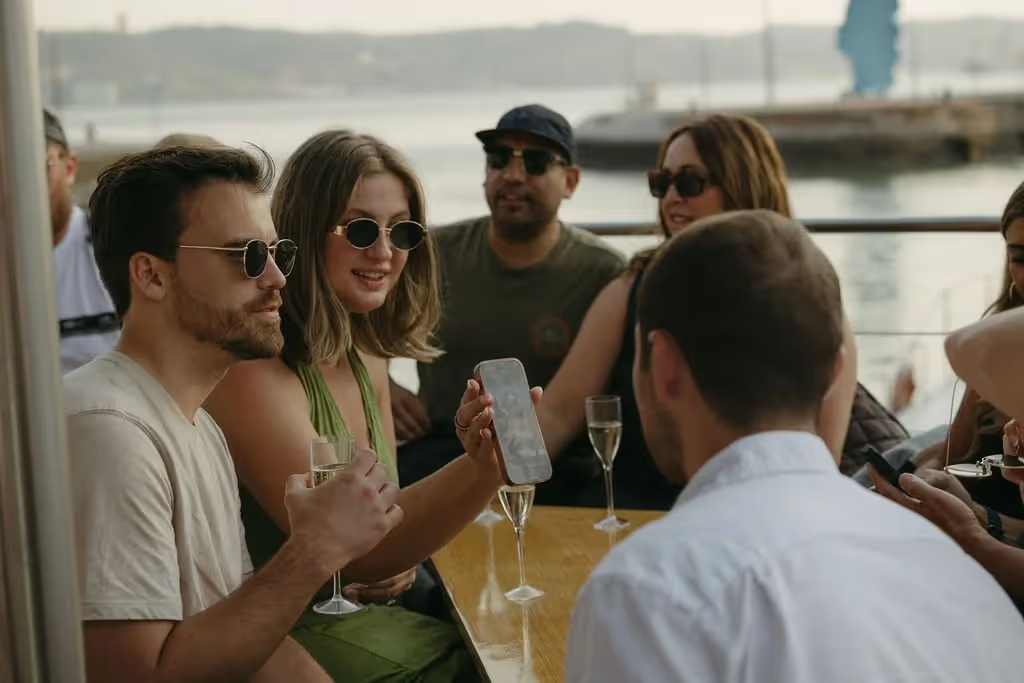
In a world of deepfakes and doom scrolling, in-person interactions are the last unfakeable thing.
These days, engaging online can feel like a game of Russian roulette. Is that a video of a real cat? Is that person actually who they say they are? Did a human being write that LinkedIn post? It's getting weird out there.
Online life has gotten untrustworthy, which is exactly why in-person experiences matter more than ever. According to Skift's Megatrends 2026 report, we're seeing some major shifts in how people think about events and gatherings. Here's what to keep front of mind.
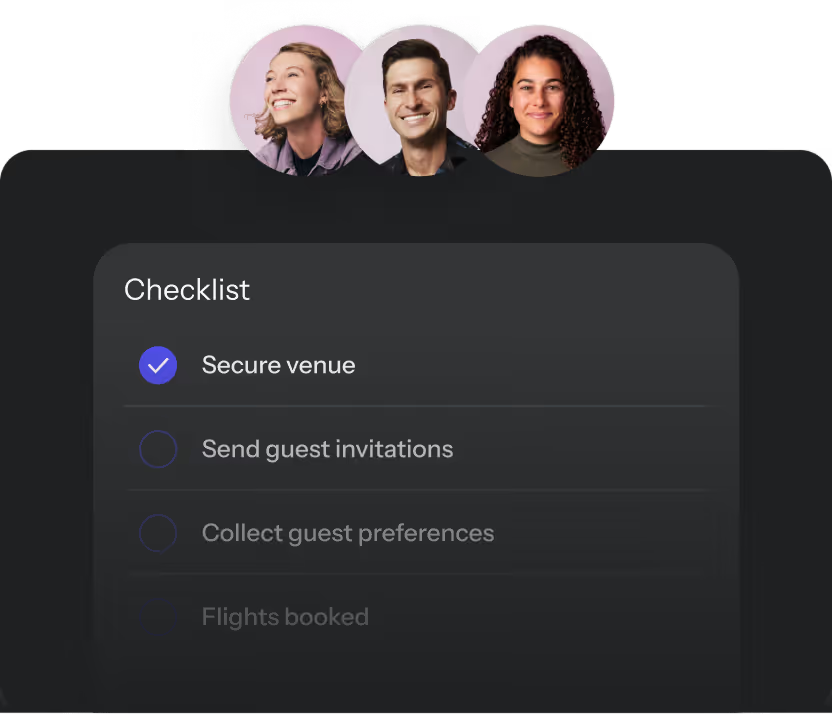
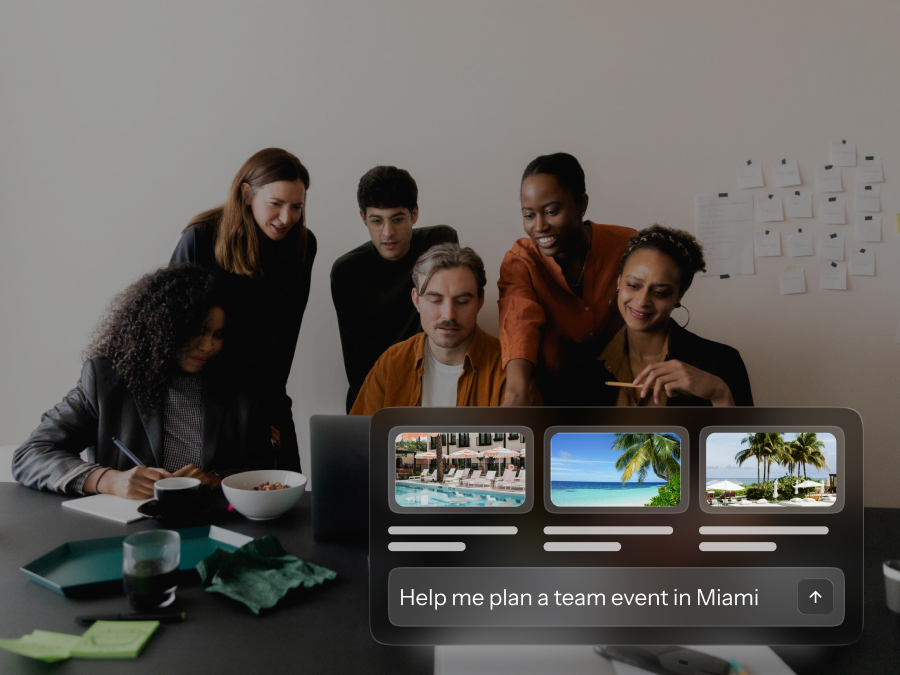
Other helpful tools on the BoomPop platform use generative AI to design event agendas, draft personalized attendee communications, and analyze guest feedback. It even integrates live data feeds like flight delays or weather changes so organizers can adapt in real time. No more frantic Googling for “backup indoor venues when it rains.”
The real promise of AI in events is not about replacing planners. It is about giving them superpowers, compressing weeks of logistics into hours, and freeing up energy to focus on designing experiences that people will actually remember.
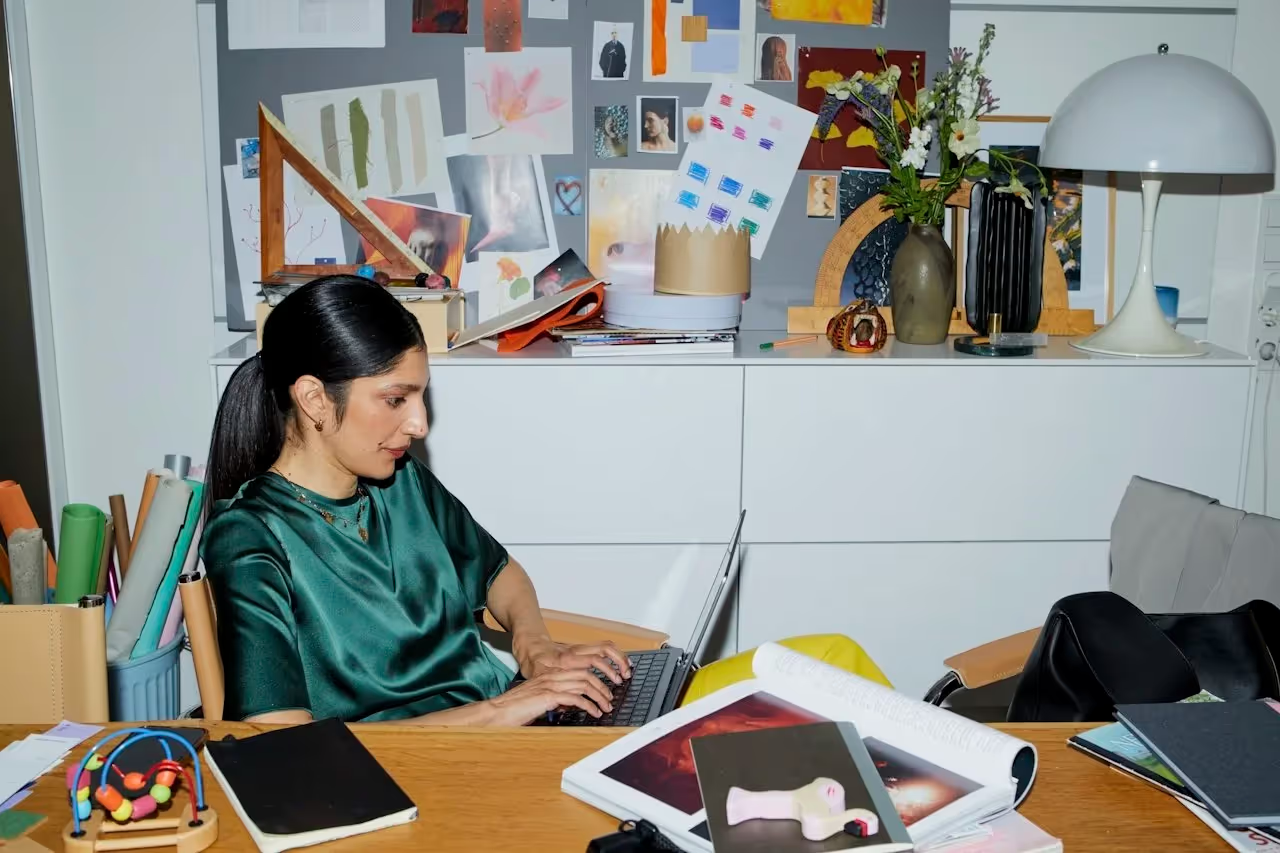
Events as the antidote to AI slop
In a world flooded with synthetic content, trust is eroding fast. Even real hotel and destination imagery is being questioned because it looks AI-generated.
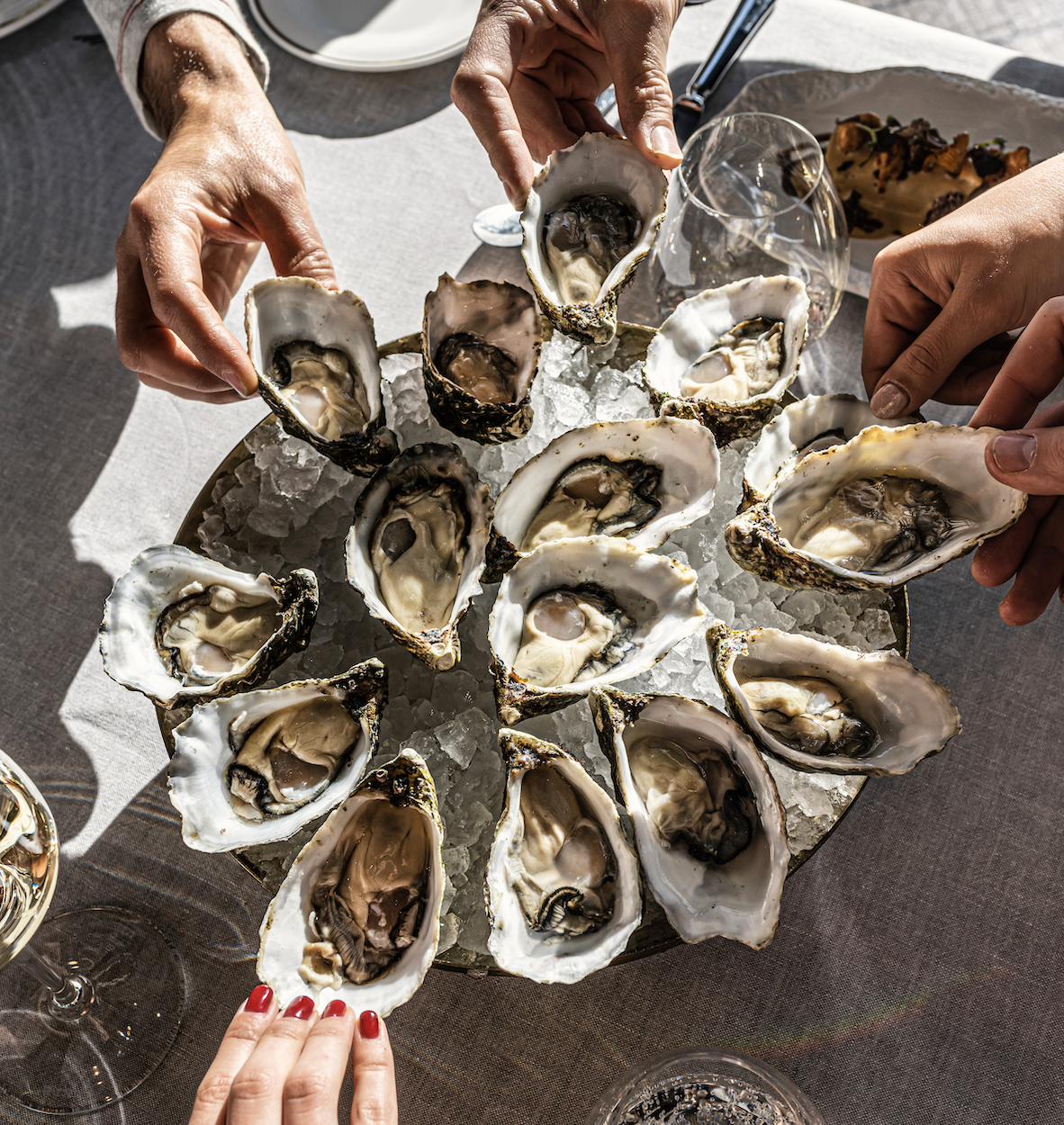
The opportunity: The new luxury is unfakeable. Real spaces, real people, real moments.
What this means for your planning: Plan for genuine connection. Find spaces that encourage conversation, not just pretty backdrops. Book activities that actually get people laughing together. Lean into local culture: regional food, arts, experiences that could only happen where you are. Pay attention to sensory details—the stuff that makes people feel present. You can't fake the feeling of a team actually connecting. That's the whole point.

The rise of micro events (and why they're not "small")
Intimate events are surging—but they're not easier, just more intentional. People want substance over spectacle.
The opportunity: Smaller groups allow for deeper cultural and local experiences.
What this means for your planning: Don't mistake "smaller" for "simpler." Lean into what makes micro events special—chef-led dinners with storytelling, locally-sourced programming that reflects the destination, interactive moments where everyone participates. Look for venues and partners that can customize without requiring massive production teams. The goal is elevated and personal, not just scaled down.
The Cost Cliff: affordability meets expectation
Budgets are flat. Costs—especially F&B and AV—are not. Planners are being asked to do the impossible.
The opportunity: Flexibility and creativity can bridge the gap between budget and expectation.
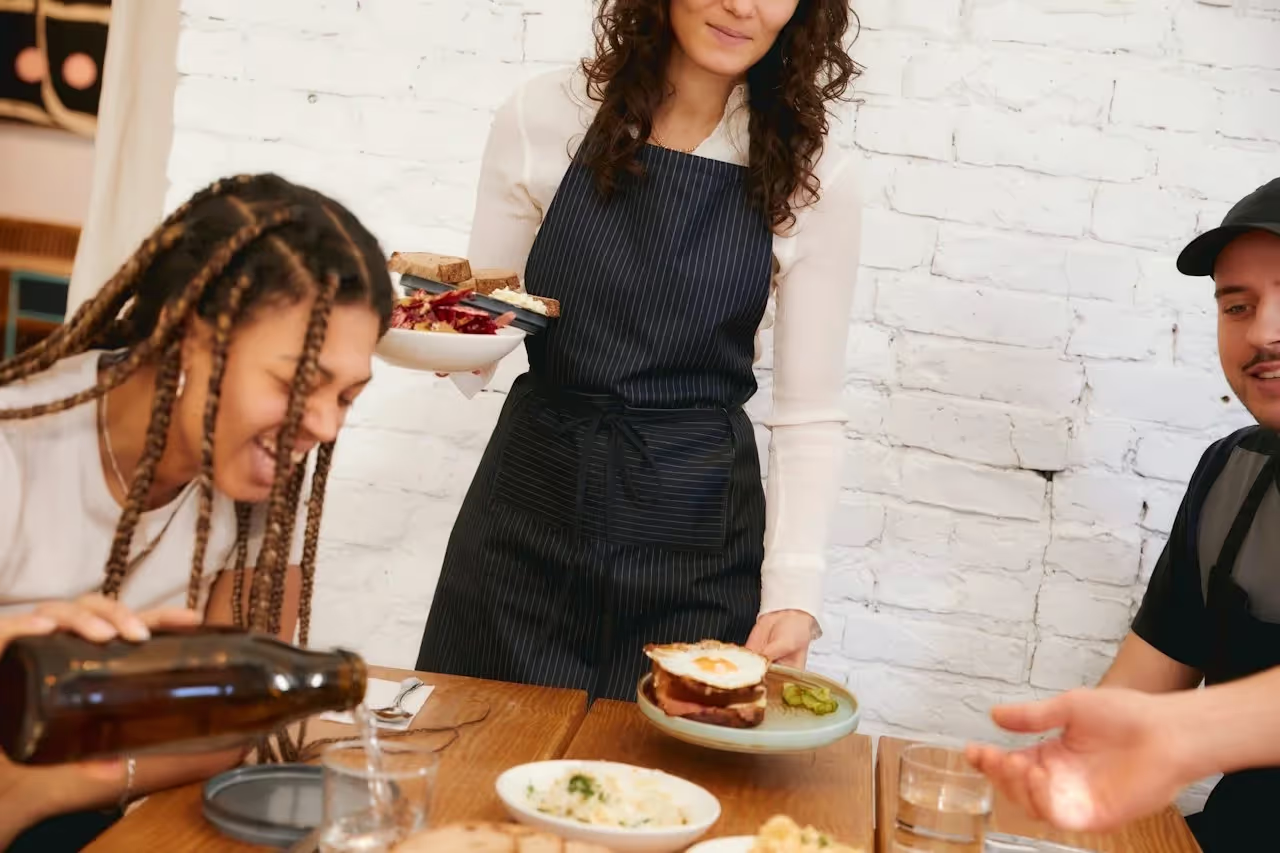
What this means for your planning: Get creative with trade-offs. Consider brunch instead of a full breakfast spread, experiential food moments (think: pasta out of a cheese wheel) instead of formal three-course dinners, or bundled AV packages that skip the nickel-and-diming. Look for partners willing to customize and offer alternatives. The goal is impact and the right venue will help you get there without feeling like you're compromising.

Prioritize Trust: events in a tense world
Geopolitical tension, safety concerns, and regulatory barriers are now part of the planning reality—especially for international groups.
The opportunity: Preparedness and clear communication build confidence with your team.
What this means for your planning: Ask proactive questions early. What are the venue's safety protocols? What flexibility exists if plans need to change? For international events, what guidance can they provide for traveling team members? Look for partners who communicate transparently, not just send contracts. The more you can reassure your team before they arrive, the more they'll be able to focus on connection instead of logistics.

What does it all mean?
People are craving real connection in an increasingly synthetic world. They want events that feel personal, purposeful, and worth the trip—not another Zoom call with catering.
No one wishes they attended more forgettable corporate events. But a team offsite where people actually laughed, connected, and remembered why they do this work together? That sticks.
Sure, we might be a little biased, but we think that's worth planning for.
Insights based on Skift's Megatrends 2026 report.
Start planning in 2 minutes or less
.avif)

.svg)