

Why certain moments stick, connections form, and some events leave a lasting impression.
Ever notice how a song can instantly take you back to a specific moment? Not just the year—but the place, the people, the feeling. Music doesn’t just register as information. It activates emotional and sensory parts of the brain tied to memory.
That same thing happens at events.
A field of science called neuroaesthetics looks at how our brains respond to sensory experiences like sound, light, movement, and environment. In simple terms, it explains how these details shape how we feel, what we remember, and how we connect. More than just processing what’s happening, we’re absorbing what it feels like to be there.
But when it comes time to plan, budget, and execute, these are often the elements we treat as optional. The playlist. The lighting. The pacing. The moments without a clear objective. In reality, those details are often doing the most work.
Why some events stay with you
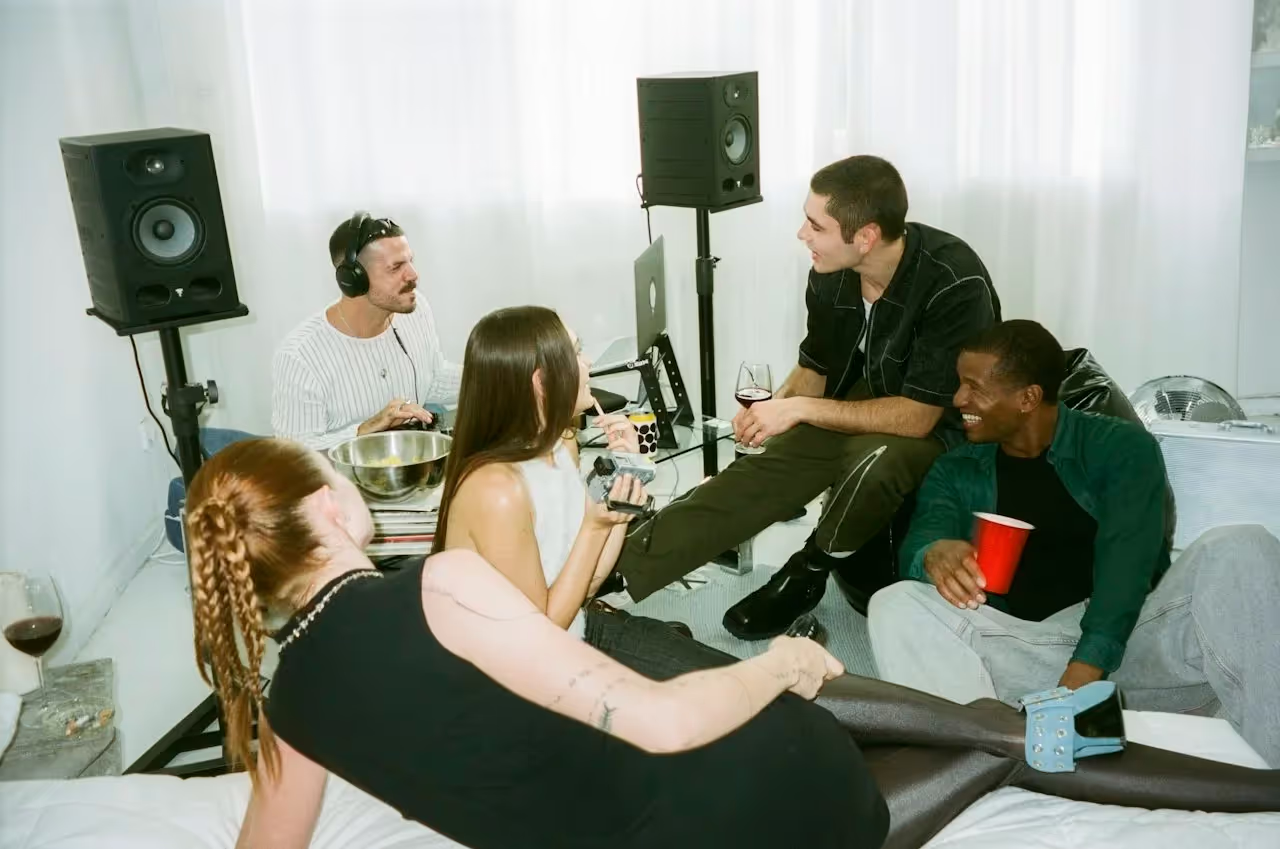
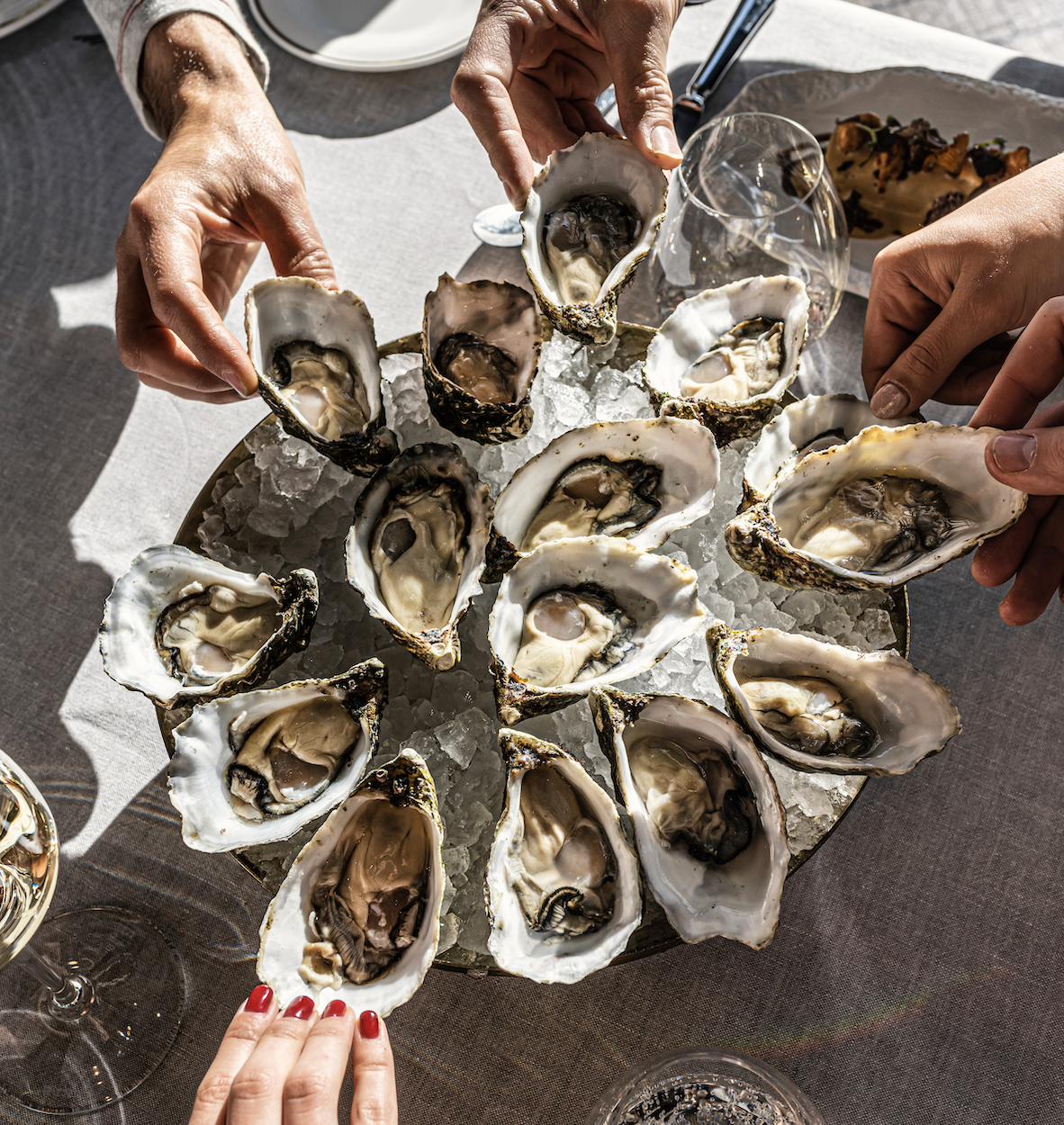
Think about the work events you actually remember. It’s rarely the breakout session. It’s the dinner that ran long. The shared laugh when something unexpected happened. The moment everyone loosened up at the same time.
That’s because memory is driven by emotion and novelty. When something surprises us, moves us, or pulls us out of routine, the brain pays attention. Those moments get encoded more deeply than anything that feels purely procedural.
This is also where curiosity comes in. When we’re genuinely curious—about a place, a person, or what’s coming next—the brain’s reward system lights up. Dopamine flows, we increase engagement, and learnings actually stick.
Designing how it feels to be there
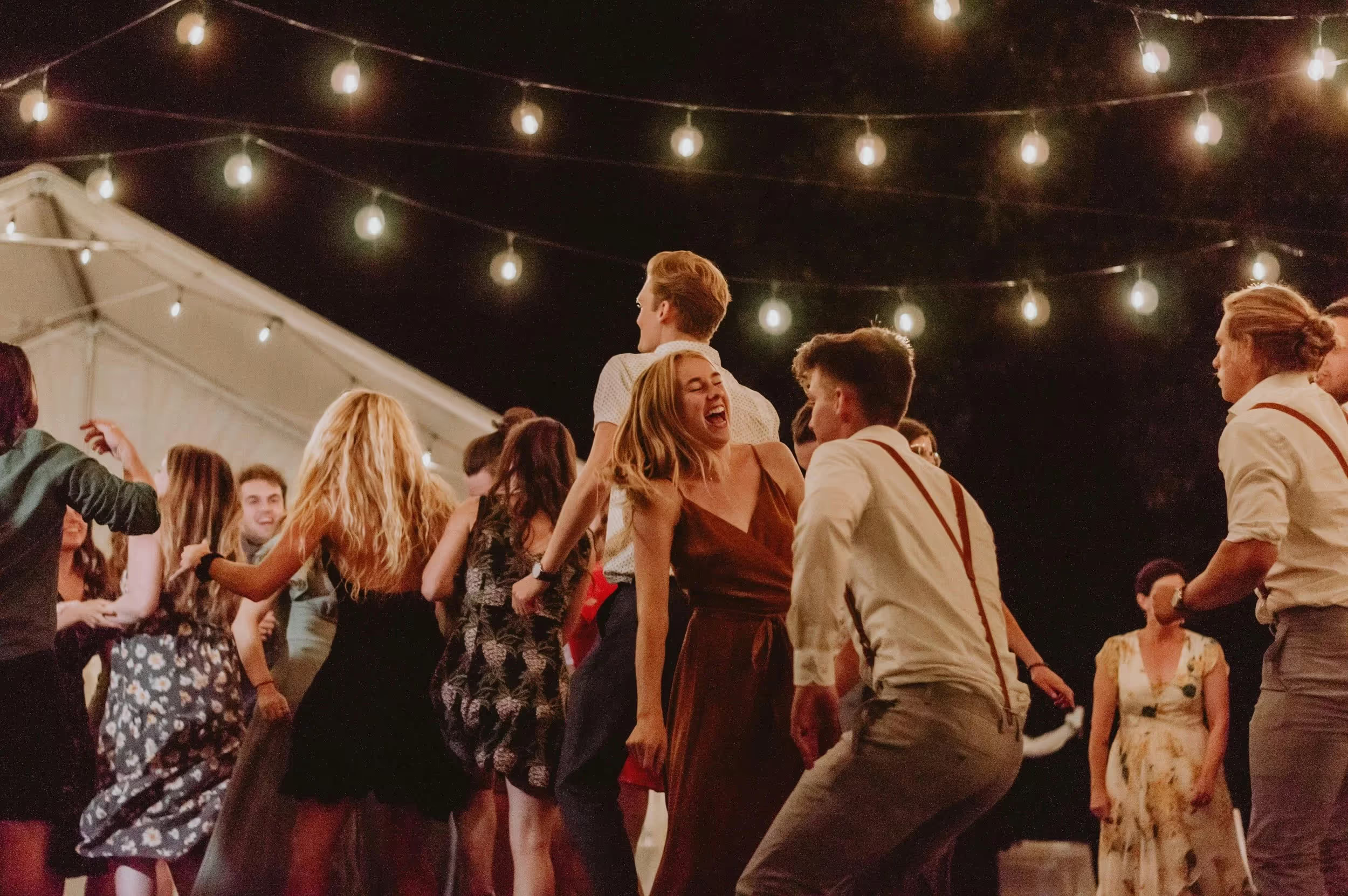
Events are unusually powerful environments because they can shift people out of their default modes. Awe does this especially well. You feel it when you’re somewhere beautiful or unexpected—under a forest canopy, on a mountaintop, at a long dinner table under the stars. In those moments, the brain quiets its usual self-talk. People become more open, more present, more generous with each other.
That’s why a retreat in a beautiful, remote location is worth baking into your annual program. Nature does the heavy lifting. Build in a few simple awe moments—sunrise hikes, long lunches with a view, a celebratory toast somewhere high up—and you’ll often see the payoff in the places you actually care about: deeper connection, more openness, and better work once everyone’s back in the world of everyday work.

What being “extra” actually gets you
When you pay attention to neuroaesthetics, outcomes change.
Connection forms faster because people feel safer and more open. Creativity flows more easily because the brain isn’t stuck in defensive or analytical mode. Teams leave not just aligned, but bonded by shared experience.
This is why six straight hours in a conference room rarely unlock breakthrough thinking. And why a walk, a shared meal, or a moment of awe can do more than another slide.
Programming still matters. But environment, emotion, and sensory input shape how that programming lands.
Connection is what we’re here for
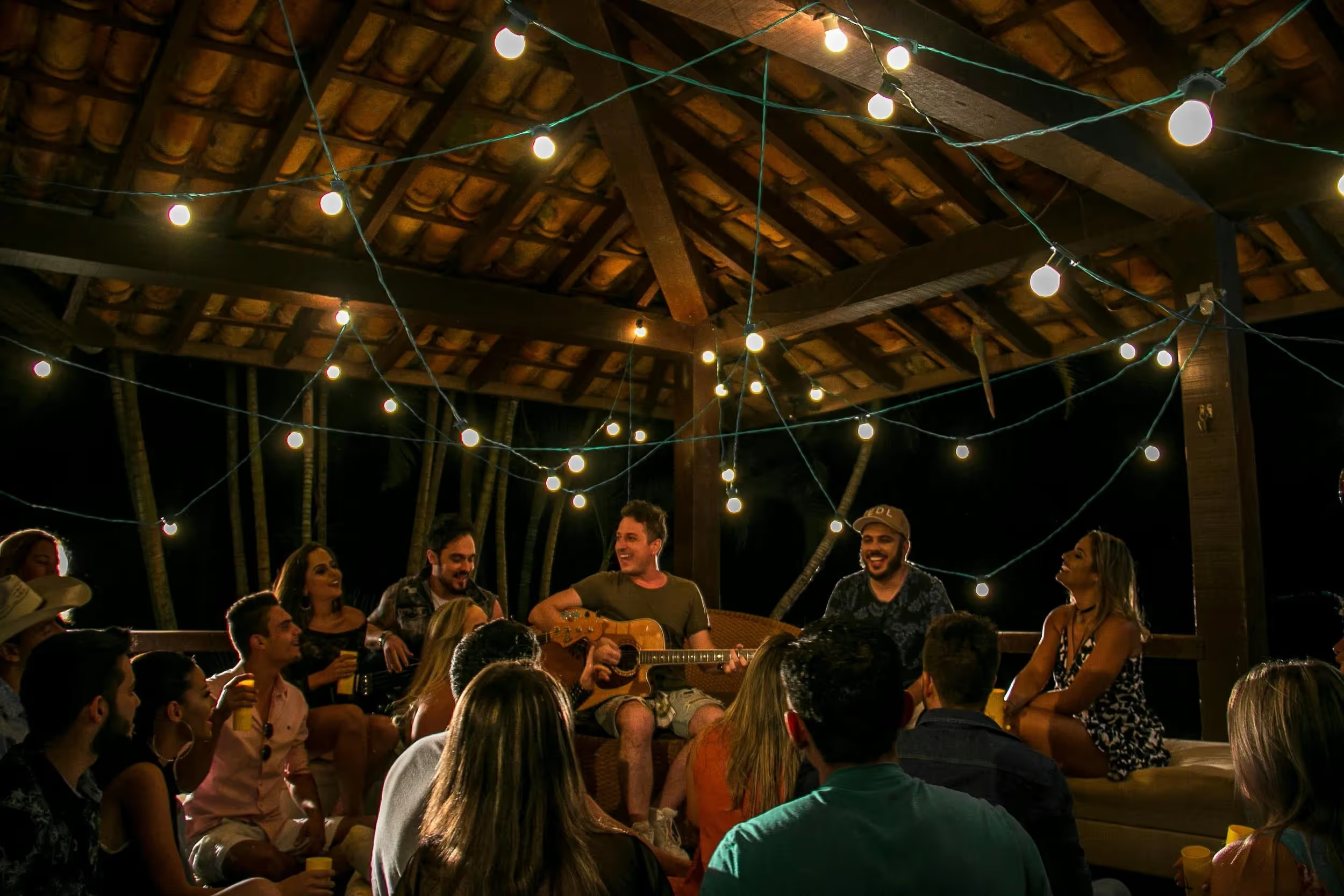
Gatherings create the conditions for human flourishing. They pull us out of routine, invite shared experience, and create space for curiosity, wonder, creativity, and connection—states the brain is wired to search for, but daily work rarely provides.
In a remote, screen-heavy world, that matters more than ever. It’s also why BoomPop exists: to make gatherings easier to create, so teams can focus on what actually makes them meaningful. These aren’t the extras, they’re the experience.
Start planning in 2 minutes or less
.avif)

.svg)