
Plan smarter and make every event feel like it was actually worth it
Modern events aren’t just about booking a venue and ordering sandwiches. Whether you’re planning a 10-person leadership offsite or a 1,000-person hybrid conference, the moving pieces are endless—and so are the chances for something to go sideways.
That’s where event management software comes in. The right platform can help you run the show, stay organized, and actually enjoy the process (imagine that). In this guide, we’ll walk through the features that matter, compare top tools like BoomPop, Cvent, and Whova, and help you find a solution that fits your team, your goals, and your vibe.
What is Event Management Software?
Event management software helps you plan, promote, run, and evaluate your events—all from one place. It replaces the spreadsheets, sticky notes, and late-night calendar edits with tools built for clarity, collaboration, and control.
It started with basic registration systems. Now? It’s everything: attendee engagement, ticketing, email marketing, venue sourcing, analytics, and more. Think of it as your event’s mission control.
Types of events supported:
- In-person events (offsites, client events, conferences, summits)
- Virtual events (webinars, virtual conferences)
- Hybrid experiences (anything that blends the two)
Why software beats manual planning:
- You save time
- You save money
- You make fewer mistakes
- You deliver better experiences
Key Features of Effective Event Management Platforms
Not all platforms are built the same—but the best ones have a few things in common. Look for tools that help with every phase of your event, from pre-planning to post-mortem.
What to look for:
Registration + Ticketing: Customizable forms, multi-tiered ticket types, and secure payment processing.
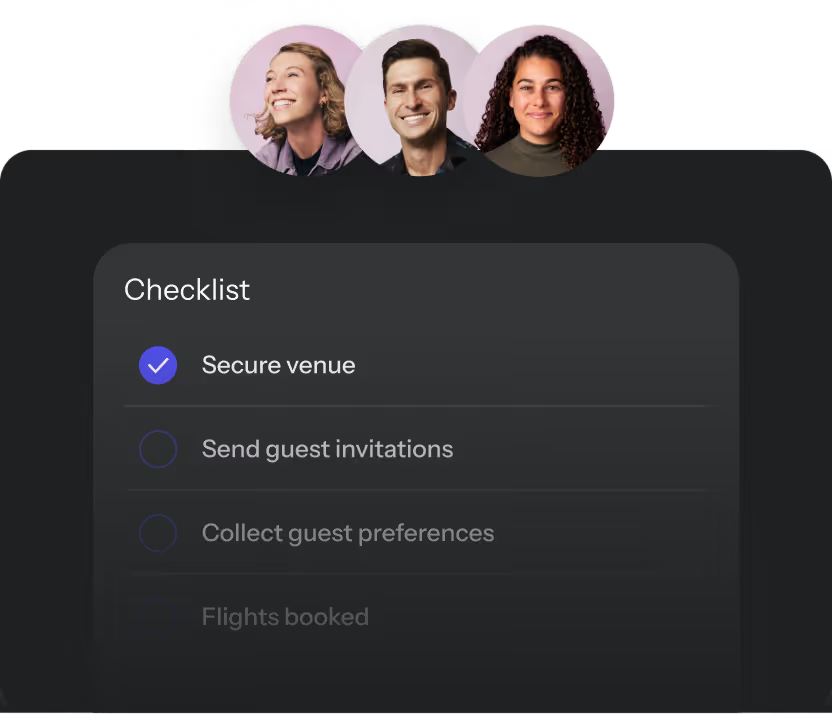
Attendee Management: Keep track of RSVPs, dietary needs, rooming lists, and communication preferences—all in one place.
Pre-Event Engagement: Platforms like BoomPop let you build personalized event websites, share custom playlists, provide travel/weather info, and send reminders to get your guests genuinely excited.
Mobile Access: A branded app or mobile portal makes it easy for attendees to navigate, connect, and engage on the go.
Marketing + Comms: Email campaigns, automated SMS reminders, and centralized guest messaging.
Post-Event Feedback: Survey tools and sentiment tracking help you understand what resonated—and what didn’t.
Top Event Management Software Solutions for 2025
There are dozens of platforms out there, but here’s a look at how the top players stack up for different needs:
BoomPop
Best for teams who want their events to feel like experiences—not chores.
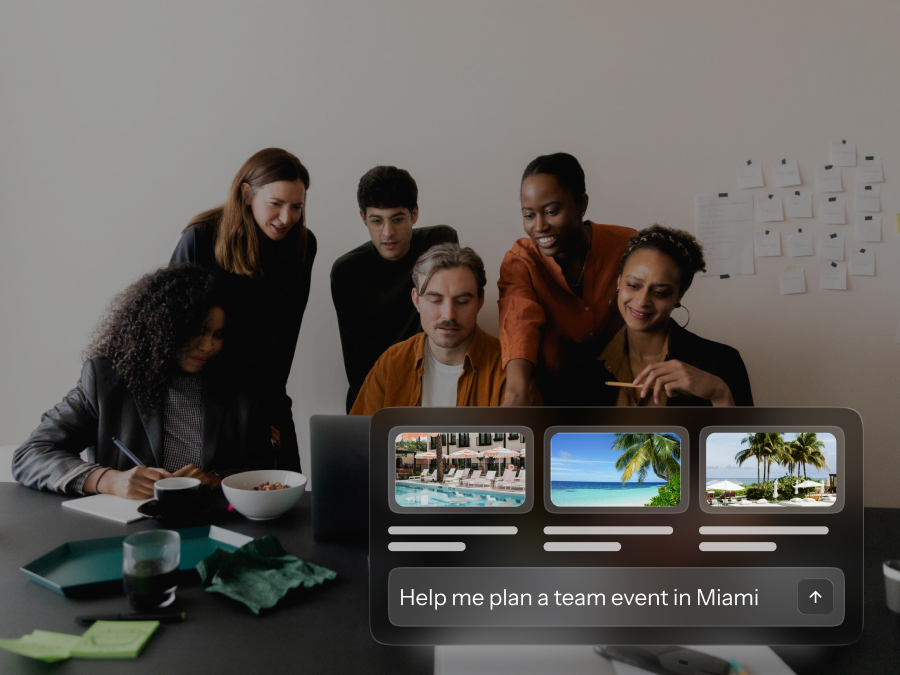
- AI-powered planning with real human support
- End-to-end tools for guest management, ticketing, and communications
- Build custom event websites and share itineraries that sync to guest calendars
- Great for offsites, hybrid events, and culture-focused gatherings
- Built-in post-event analytics and survey tools
Cvent
Best for enterprise conferences and formal corporate events.
- Robust feature set for large events
- Strong reporting and compliance tools
- Steep learning curve; best for dedicated planning teams
Whova
Best for community-driven or academic events.
- Strong attendee networking tools
- Affordable for smaller orgs
- Less customizable for premium experiences
Bizzabo
Best for branded virtual or hybrid conferences.
- Good for virtual stage production and sponsorship
- Clean UX with engagement features
- May require more in-house tech expertise
Pro tip: If you’re looking for an all-in-one tool with real people to back it up? BoomPop might be the match.
Best Solutions for Virtual and Hybrid Events
Virtual and hybrid events come with unique challenges—from livestream glitches to timezone math. The best platforms offer features that keep online attendees just as engaged as the people in the room.
Key features for virtual/hybrid:
- Stable streaming with low latency
- Interactive chat, polls, and networking
- On-demand content and playback options
- Tools for managing both in-room and remote audiences
BoomPop makes hybrid easy, with guest websites, real-time updates, and calendar integrations that help every attendee feel included.
Registration and Attendee Management Tools
This is your guest list, your welcome desk, and your first impression. The right platform should make registration feel effortless—for both planners and attendees.
What to expect:
- Branded registration pages
- Ticketing options with payments and promo codes
- Confirmation emails, calendar sync, and reminders
- Guest data collection and segmentation
BoomPop simplifies all of this with its built-in guest management system and ticketing functionality.
Integration Capabilities and Ecosystem Considerations
A lot of platforms rely heavily on external integrations for CRM, comms, and analytics. BoomPop takes a different approach: most of what you need is already built in.
Common integrations:
- CRM: Salesforce, HubSpot
- Email: Mailchimp, Klaviyo
- Calendars and project tools: Google, Slack, Trello
- Data + Analytics: Google Analytics, Tableau
With BoomPop, you don’t need external tools.
- Upload your guest list directly
- Communicate via email and SMS—all from one dashboard
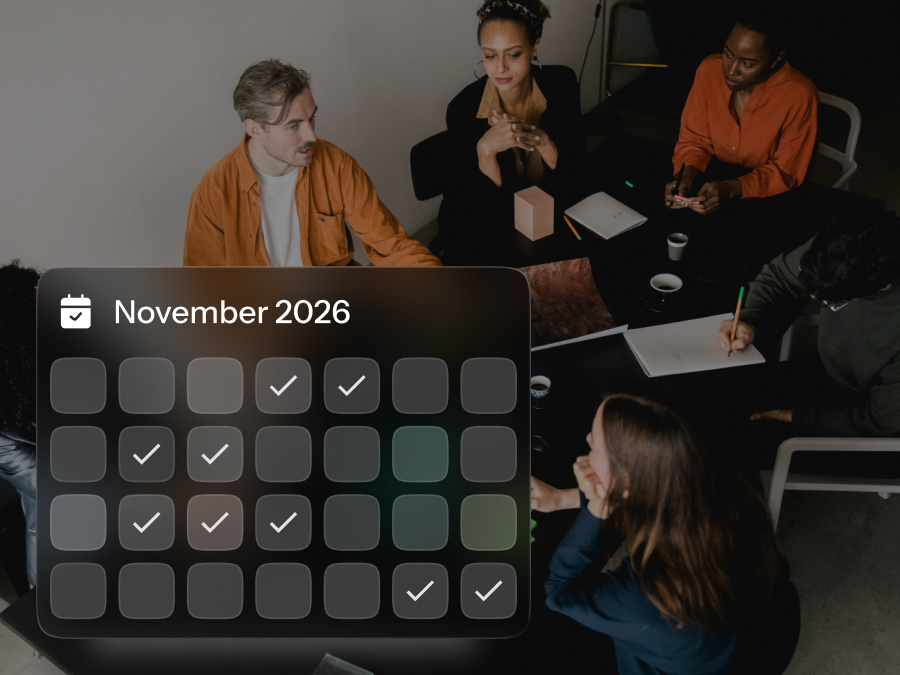
- Sync detailed itineraries to guests’ Google or Microsoft calendars
- Track registrations, responses, and follow-up surveys without switching platforms
Event Analytics and ROI Measurement
What worked? What didn’t? What’s worth repeating? The best platforms make it easy to track performance.
What to measure:
- RSVP and attendance rates
- Guest sentiment via post-event surveys
- Session participation and activity levels
- Overall event cost vs. impact
BoomPop’s analytics tools help you see what worked, what didn’t, and how your team felt about it—so you can keep improving every time.
Enterprise vs. Small Business Solutions
What you need depends on where you are. Small teams might prioritize ease of use; enterprise orgs may need compliance and customization.
Small business priorities:
- Fast setup
- Friendly pricing
- Fewer clicks
Enterprise priorities:
- Advanced permissions and controls
- Custom branding at scale
- Data compliance and audit trails
BoomPop is flexible enough to serve both.
Implementation Best Practices
Adopting a new platform doesn’t have to be painful. Here’s how to do it right:
- Align on goals early
- Assign a rollout team or internal "champion"
- Start with a small pilot event
- Build internal documentation and training
- Evaluate and adapt after your first run
Most teams can launch BoomPop within 2–4 weeks.
Security and Data Protection
You’re handling attendee names, emails, dietary preferences—sometimes even passport numbers. Security is non-negotiable.
Minimum requirements:
- GDPR compliance
- Encrypted data storage
- Access permissions
- Secure payment processing
BoomPop adheres to the highest standards in security and privacy to keep your event—and your attendees' information—safe. Read our full security policy.
Cost-Benefit Analysis
Sure, event software is an investment. But the ROI—in time saved, chaos avoided, and attendee experience improved—is usually worth it.
Software can help you:
- Save hundreds of hours in manual coordination
- Reduce no-shows with better comms
- Collect valuable post-event feedback
Future Trends in Event Management Technology
Event tech is moving fast. Here’s what to watch:
- AI assistants that build agendas and schedules (like BoomPop’s AI Assistant)
- Real-time personalization for attendees
- Increased demand for sustainability features
- Tools that support accessibility and inclusivity
Frequently Asked Questions
What is event management software and what does it do?
It streamlines every step of planning, running, and measuring events—from RSVPs to ROI.
What are the key features to look for in event management software?
Registration, guest communications, event websites, analytics, and mobile-friendly UX.
How much does event management software cost?
Pricing ranges from free to enterprise. BoomPop offers scalable plans based on event size.
Is there free event software that actually works?
There are basic tools out there, but if you want support and polish, look at platforms like BoomPop.
What’s the best option for small businesses?
BoomPop is ideal for lean teams that want pro results without the overhead.
Which tools are best for large events?
BoomPop, Cvent, and Bizzabo all support scale—but BoomPop stands out for hybrid and offsite experiences.
Do I need tech skills to use this?
Not with BoomPop. It’s intuitive for first-time planners and powerful enough for seasoned pros.
The Key to Great Events
Choosing the right event management software comes down to fit. What do you need? Who’s attending? And how do you want them to feel when they leave?
Whether you’re running a one-day retreat or a three-day hybrid summit, the right tools make a world of difference.
BoomPop helps you plan events with soul, speed, and support. Because your team deserves something better than "just another event."
Let’s plan something worth remembering.
Start planning in 2 minutes or less

.avif)

.svg)