Make your event matter—to your attendees and your bottom line
Planning a corporate event isn’t just about booking a room and hoping people show up. The stakes are higher. These events reflect your brand, shape internal culture, and often support big business objectives. Whether you’re organizing an executive summit, a product launch, or your company’s annual offsite, thoughtful planning is the difference between a forgettable function and a strategic win.
This guide walks you through every part of corporate event planning—from setting objectives to pulling off a seamless experience. Let’s break it down.
What Is Corporate Event Planning (and Why Does It Matter)?
Corporate events are organized gatherings hosted by companies or organizations to achieve specific business goals. These can range from internal culture-building events (like team offsites) to external brand-building efforts (like conferences or galas).
Common types of corporate events:
- Leadership retreats and team offsites
- Conferences and summits
- Product launches and demos
- Sales kickoffs
- Client appreciation events
- Company milestone celebrations
Why do they matter? Done right, corporate events drive connection, communicate strategy, and strengthen relationships. They help employees feel aligned, customers feel appreciated, and partners feel engaged. That’s ROI you can feel.
Stakeholders to align early:
- Executive sponsors
- Marketing and communications teams
- Finance and procurement
- HR or People Ops
- External vendors or agency partners
Set Objectives That Mean Something
Every event should start with a clear goal—not just "make it good" or "get people there." What do you want your attendees to do, feel, or understand as a result?
Use SMART goals (Specific, Measurable, Achievable, Relevant, Time-bound) to give your event purpose and direction. Then, tie those goals to measurable outcomes:
Sample objectives + KPIs:
- Boost internal alignment on company strategy → post-event employee sentiment scores
- Generate qualified leads → number of MQLs or SQLs attributed to the event
- Strengthen partner relationships → NPS or post-event survey ratings
Don’t wait until after the event to think about results. Design your programming and engagement tools to support the metrics you care about.
Build Your Event Planning Team
Event planning isn’t a solo sport. Define roles early, assign clear responsibilities, and keep everyone moving in the same direction.
Key roles to fill:
- Event lead / program manager
- Content and agenda owner
- Logistics coordinator
- Guest communications + registration lead
- Executive liaison
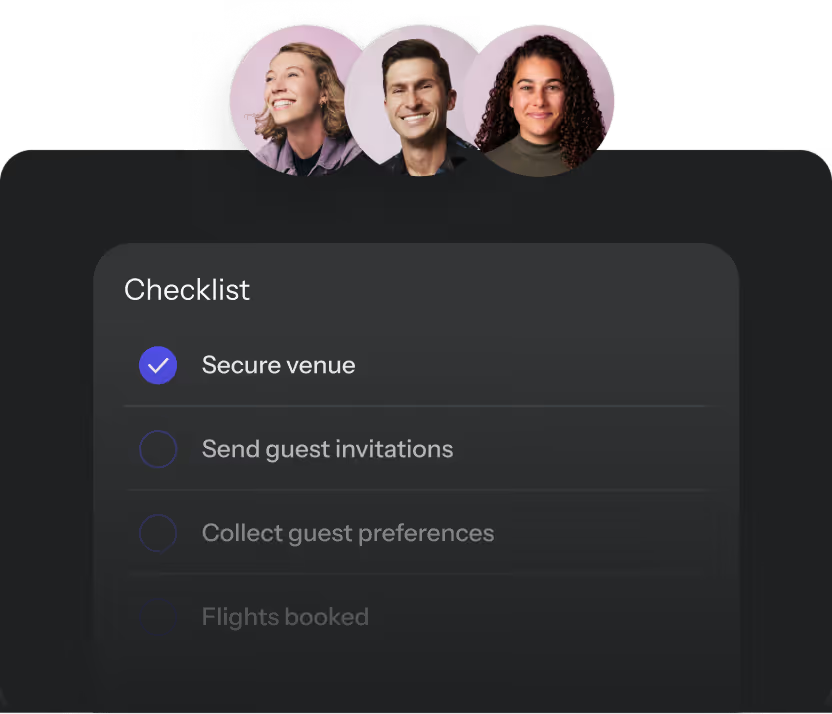
Use project management tools to keep timelines and approvals organized.
Pro tip: Yes, spreadsheets work. But full-service event platforms like BoomPop make it a whole lot easier—we’ll stand in as your complete event team if needed.
Align Your Stakeholders Before They Derail You
Before you book anything, align on priorities, constraints, and expectations.
Start with a kickoff meeting:
- Who’s the final approver?
- What does success look like?
- Are there non-negotiables?
Create a shared doc or dashboard to collect input and status updates. And check in regularly—even a 10-minute sync can save weeks of rework.
Build a Budget That Covers Everything (and Then Some)
Start with your goals, then map your budget accordingly. Don’t forget to include contingency (10%+ is standard) for last-minute changes or unexpected costs.
Major line items to include:
- Venue and AV
- Travel and lodging (for staff or guests)
- Catering and F&B
- Swag or gifting
- Guest speakers or talent
- Technology platforms
- Production and labor
Track spend in real time and build relationships with vendors early. The more visibility you have, the fewer surprises later. Working with BoomPop makes this even easier, with built-in budget tracking (and exclusive vendor savings).
Pick a Venue That Works for You (Not Against You)
Your venue can elevate your event—or complicate it. Choose based on the needs of your format, guests, and programming.
What to consider:
- Capacity + flow
- Accessibility and location
- Tech setup and WiFi
- Onsite support
- Vibe and brand alignment
Send out RFPs that cover your needs clearly, especially for hybrid events or non-traditional spaces. Negotiate for perks like early access, flexible cancellations, and built-in tech support.
Choose Tools That Make It All Run Smoother
Don’t duct-tape 12 systems together. Find a platform that helps you handle logistics, communications, guest experience, and analytics—all in one place.
Look for event tech that offers:
- Guest list management + RSVPs
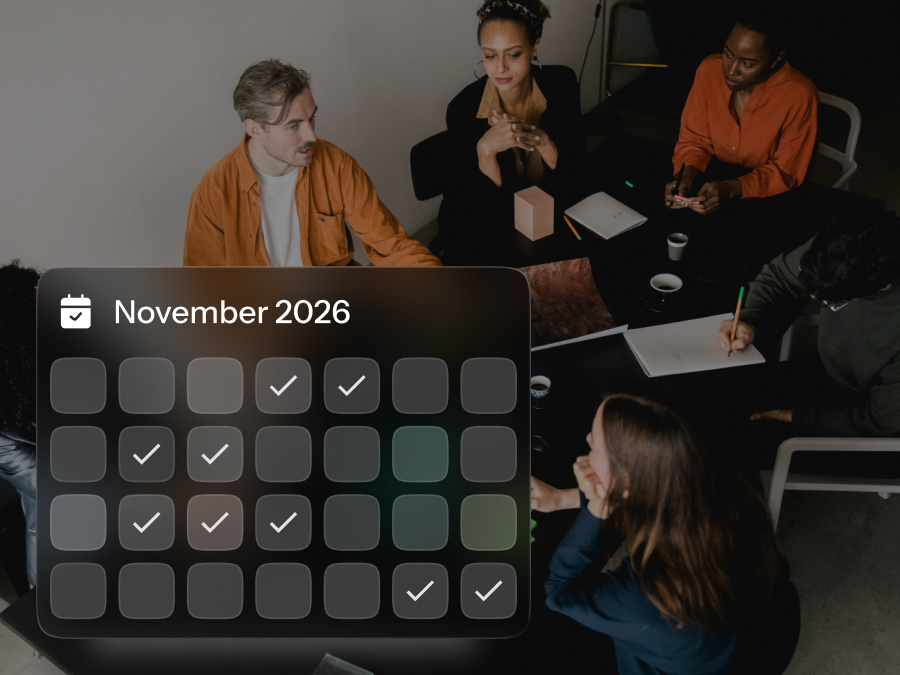
- Custom event sites with calendar sync
- Text/email communications
- Survey + feedback tools
- Post-event reporting
BoomPop is built for this. It handles the end-to-end experience—so you don’t have to chase down logins or stitch together data.
Make the Experience Memorable (and Measurable)
Build programming that balances information and connection. It should feel intentional from the first invite to the final send-off.
Content + experience tips:
- Curate speakers to match goals, not just titles
- Design agendas that allow for both learning and mingling
- Use creative touches: playlists, local vendors, surprise moments
Plan for post-event feedback upfront. What you learn from this event will shape the next one.
Secure Partners and Sponsors (Without Selling Out)
Sponsorships should feel like part of the experience, not a forced add-on.
How to get it right:
- Create clear, tiered sponsorship packages
- Offer activations that serve both the sponsor and the guest (e.g. coffee bars, lounges, content studios)
- Tie sponsorships to event content when relevant (without hijacking the agenda)
Market It Like You Mean It
Promotion is part of the event experience. Plan a marketing strategy that builds anticipation and drives action.
Key moves:
- Use CRM data to target the right people
- Leverage social proof and past event content
- Personalize comms with name, title, and role relevance
- Don’t forget internal buy-in: give your team shareable assets
Don’t Just Show Up—Run the Show
You planned it. Now make it happen.
Day-of tips:
- Build a detailed run-of-show with backup plans
- Staff every touchpoint with a clear owner
- Monitor in real time (dashboards > guesswork)
- Have a plan for inevitable surprises—and someone designated to own them
Let the Data Tell the Story
Your event doesn’t end when the last guest leaves.
After the event:
- Send post-event surveys
- Analyze attendance, engagement, and sentiment
- Document what worked and what didn’t
- Share wins and learnings with stakeholders
Use what you learn to improve the next event—and your entire event strategy.
Make Events Part of Your Bigger Strategy
Individual events are great. A smart event calendar is better.
Zoom out:
- Align events with your marketing and sales calendar
- Standardize tools and templates across events
- Build in time for post-event review and documentation
BoomPop works with teams to develop strategic, year-round event programs that support broader business goals. From identifying key moments across your calendar to setting the right objectives for each event, we help you plan with intention and build lasting momentum. The result? A more cohesive experience for your team, your customers, and your partners—no matter how many events are on deck.
What’s Next for Corporate Events?
Attendee expectations are shifting. Remote work is changing how we gather. And technology is creating new ways to connect.
Emerging trends to track:
- Sustainability and carbon-conscious planning
- Accessibility and inclusive design
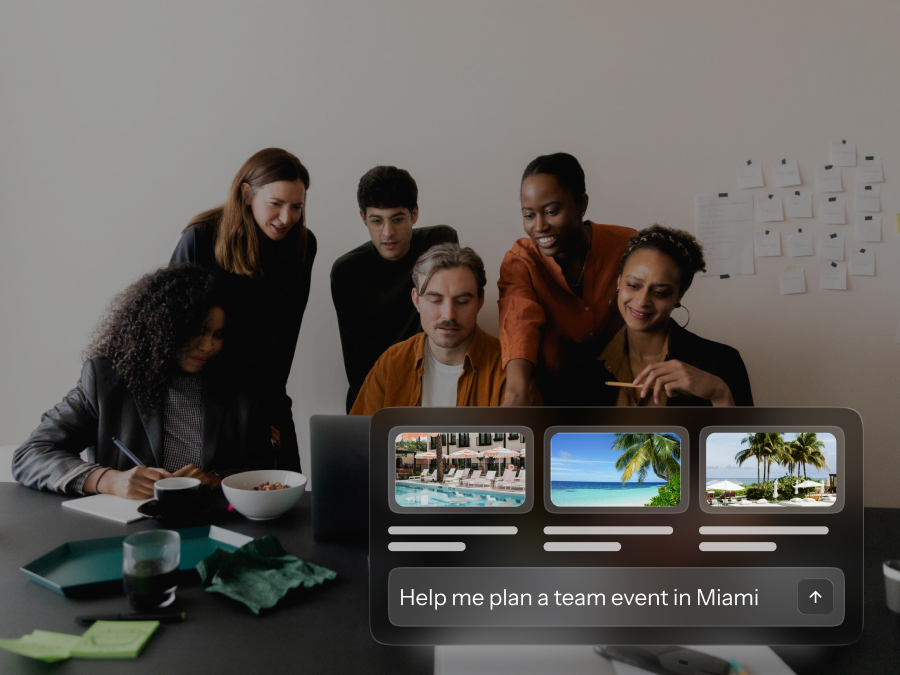
- AI-powered event assistants (BoomPop has one for both planners and guests!)
- Personalization and curated experiences
- Asynchronous content + on-demand options
Planning with Purpose
Corporate events are an investment. But when you get them right, they pay off—in alignment, morale, customer growth, and brand equity.
BoomPop helps companies plan strategic events that actually feel good. If you’re ready to simplify the process and elevate the experience, let’s talk.
Let’s make your next event matter.
Start planning in 2 minutes or less
.avif)

.svg)