
A closer look at two event platforms: BoomPop vs Eventbrite, which works best for you?
Whether you're organizing a high-stakes company offsite, planning a client-facing dinner, or mapping out a year of internal team events, choosing the right platform can make or break your momentum. In one corner: BoomPop, the all-in-one platform that combines modern planning software with hands-on execution support. In the other: Eventbrite, a widely-used self-service platform best known for its ticketing capabilities.
If you're trying to figure out which platform better supports your goals, team, and budget, you’re in the right place. Here’s a deep dive into how BoomPop and Eventbrite compare across planning features, ease of use, cost, and overall value.
What Are BoomPop and Eventbrite?
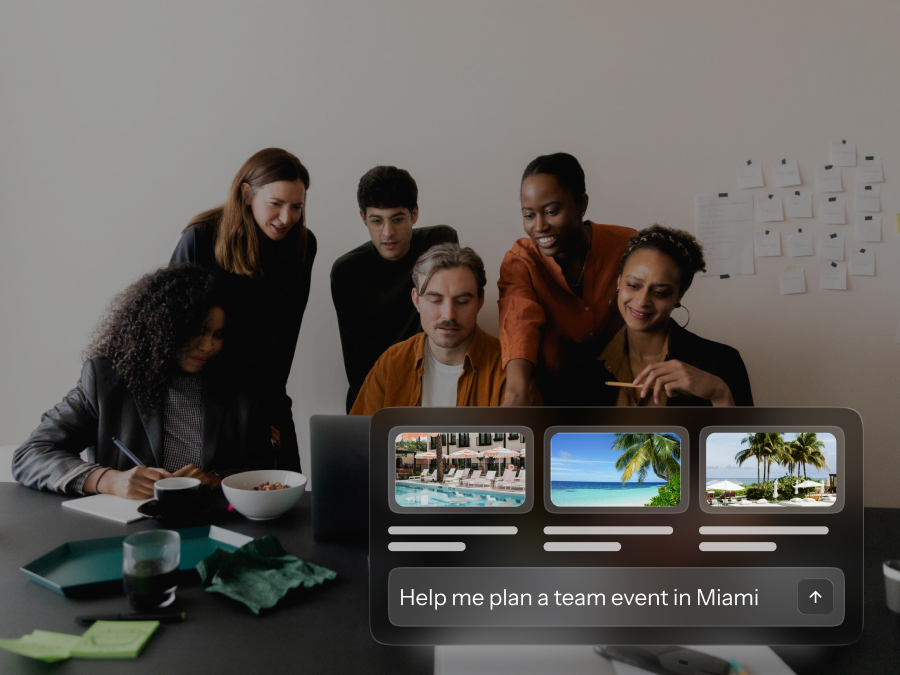
BoomPop is built for companies that want to plan exceptional offsites, retreats, SKOs, and client events without adding headcount or spreadsheets. The platform blends streamlined software with an actual planning team to help you go from idea to impact. Ideal for HR teams, marketing leads, and operations folks, BoomPop makes multi-touch planning feel manageable—and even fun.
Eventbrite, on the other hand, is known for powering large-scale public events like concerts, festivals, and community gatherings. The self-serve model lets users quickly create event pages, manage registrations, and promote events online. While it's popular with independent organizers, it offers less support for complex corporate planning.
The two platforms differ not just in features, but in philosophy. BoomPop offers planning as a service—a true partner in your event lifecycle. Eventbrite hands you the tools and leaves the rest to your team.
Key Features: Where BoomPop Shines
BoomPop offers end-to-end support tailored to professional team events. You get:
- A full-service planning team for logistics, vendor management, and execution
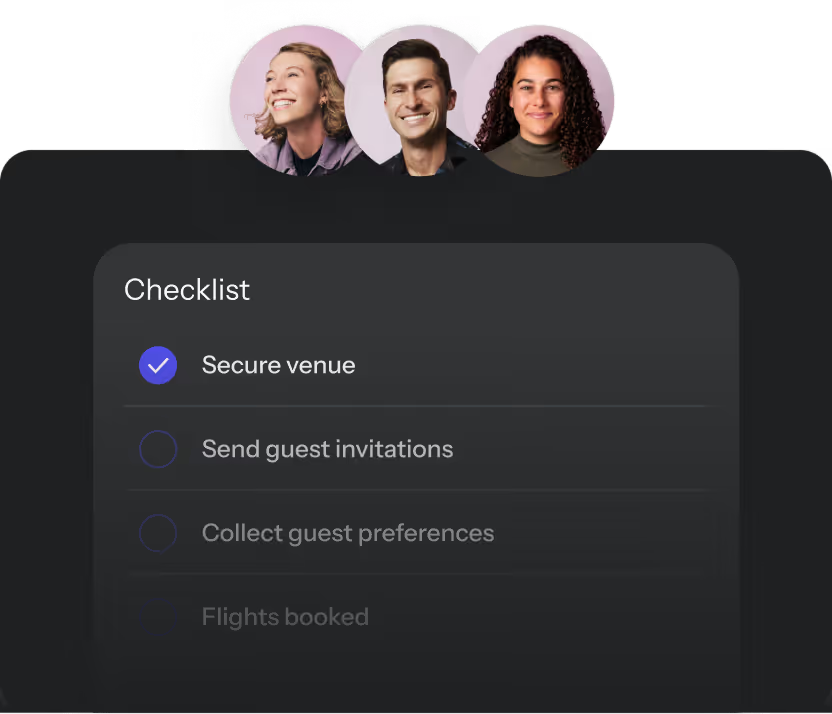
- Guest list and guest communication tools
- Custom event websites and built in RSVPs
- Detailed budget dashboards and post-event reporting
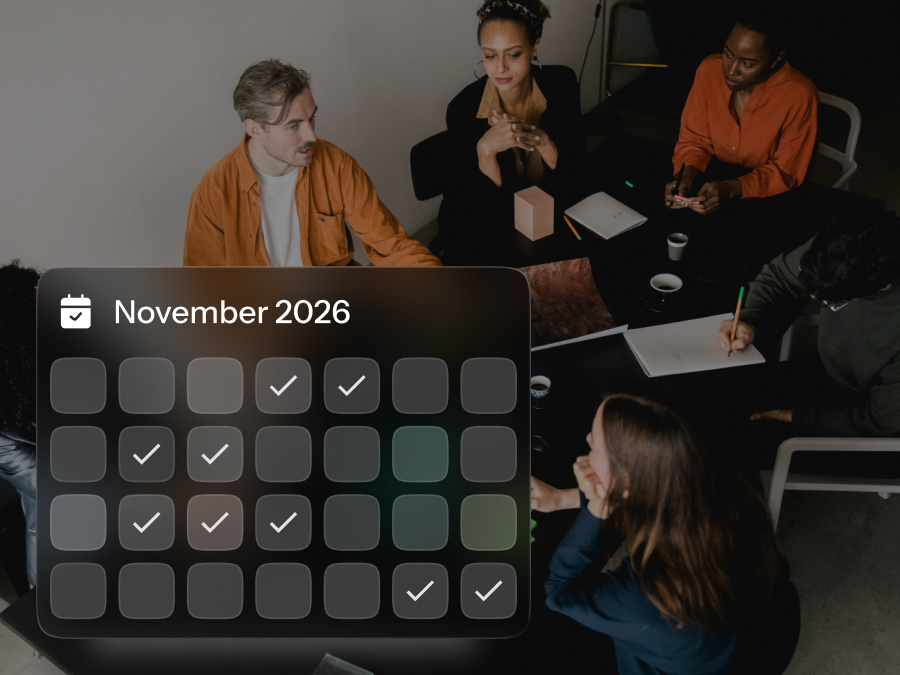
- Built-in integrations with tools like Google Calendar
BoomPop is designed around company needs, with packages based on event size and complexity. No surprise fees, no upcharges for the basics.
Key Features: Where Eventbrite Leads
Eventbrite is built for scale, particularly for ticketed events. Its strengths include:
- DIY event creation and public listing in the Eventbrite marketplace
- Registration and ticketing tools with variable pricing models
- Built-in email and social media marketing features
- Access control via QR code scanning and mobile check-in
The platform also includes a mobile app for both organizers and attendees, which makes check-in and basic event management relatively seamless—but most features are aimed at single events, not multi-event programs.
What You'll Actually Pay
BoomPop operates on a transparent pricing model. You pay for the package that fits your needs, with pricing based on event size, type, and scope. All essential tools and support are included, and the team works with you to make sure your budget works.
Eventbrite uses a freemium model. Free events can be hosted at no cost. For paid events, fees are tiered based on ticket price and volume—typically a percentage plus a flat fee per ticket. While this may seem cost-effective for public events, fees can add up fast at scale. Add-ons like integrations or advanced reporting often come at a premium.
Best for Small Teams with Big Goals
BoomPop is built for lean teams that need help executing professional events without hiring an agency. The interface is clean, onboarding is fast, and support is built-in. Eventbrite requires more manual work and assumes you’re managing all logistics on your own.
If your goal is a polished internal retreat, a thoughtfully run client dinner, or a culture-building offsite, BoomPop gives you the framework—and the team—to do it right.
Mid-Sized Companies: Scaling With Support
As your events get bigger and more frequent, so do the logistics. BoomPop scales up with you, offering planning support, vendor sourcing, and strategy help. You also get integrations with CRMs and marketing platforms, so your events work with your broader growth goals.
Eventbrite is serviceable at this scale, but many teams find themselves layering on other tools to fill gaps. It can be done, but it’s more effort—and often more expense.
Enterprise-Ready, Minus the Bloat
BoomPop supports enterprise needs with features like:
- Role-based permissions
- Custom domains and branded templates
- Security compliance and data protections
- Dedicated success managers
Eventbrite offers some enterprise options, but white-labeling and customization are limited. It’s less about ownership and more about fitting into Eventbrite’s ecosystem.
Where Eventbrite Comes Up Short
Eventbrite’s pay-per-ticket model can quickly become expensive, especially for recurring or high-volume events. The platform is also less suited to internal, invite-only, or confidential experiences.
Customization is limited, integrations aren’t always seamless, and if you need planning help? You’re mostly on your own.
BoomPop vs Eventbrite: Which One’s Right for You?
If you’re planning public events with tickets to sell, Eventbrite might be the easier pick. But if you want to build a long-term event strategy—with repeatable formats, planning and vendor support, and measurable impact—BoomPop is built for exactly that.
From retreats and SKOs to customer dinners and summits, BoomPop helps you think bigger and plan better. You don’t just get software. You get a partner.
Ready to See It in Action?
Get a demo, meet your planning team, and start mapping your event roadmap with BoomPop. It’s everything you need to make events not just happen—but work.
Start planning in 2 minutes or less

.avif)

.svg)