
Most companies try to control event spend by adding approvals, and it does. not. work.
More sign-offs slow planning down without catching the actual problems: no budget confirmed before vendors are contacted, costs scattered with no central view, and invoice surprises that only surface after the contract is signed.
Platforms like BoomPop are built to solve this differently, with guardrails set upfront so teams can plan without bottlenecks, and portfolio-level visibility so budget problems surface while there is still time to fix them.
A per-person estimate that leaves out a 24% service charge and 8% tax will be off by a third. That is more than a rounding error.
This guide covers how to build a process that accounts for it from the start.
What does event autonomy mean for teams?
Event autonomy means teams can initiate, plan, and execute their own events - such as team dinners, quarterly offsites, or department celebrations - without routing every decision through a central approver. It is not a blank check. The guardrails are set in advance so teams do not need permission for every line item, and the approvals that do exist are fast and predictable.
Where does budget control break down?
By the time finance finds out about the problem, the deposit is already paid. The team has told everyone the event is happening, the venue is booked, and the budget conversation is now a damage control conversation. The most common patterns include:
- No guardrails upfront: Teams commit to vendors before anyone has confirmed a budget, leaving finance to clean up after the fact.
- No visibility during planning: Spend is scattered across personal cards, team budgets, and vendor invoices with no central view, so overages only surface at reconciliation.
- Approval bottlenecks as a workaround: When there are no clear rules, every decision gets escalated, which slows planning without actually improving control.
More approvals are not the fix. Better structure before planning starts is.
How do you set guardrails before teams start planning?
Guardrails are the policies and parameters - such as budget ceilings, vendor shortlists, and approval thresholds - you define once so teams can plan freely within them. When teams know the budget range, the approval threshold, and the vendor shortlist before they open a single vendor email, they can move quickly without creating financial risk.
Define event tiers by type and size
A team happy hour for 10 people at $50 per person and a three-day offsite for 50 people at $500 per person should not go through the same process. Grouping events into tiers - such as small team gatherings (under 15 people), mid-size departmental events (15–50 people), and large company-wide events (50+ people) - assigns different budget ceilings and approval requirements to each. Teams get a clear lane before they start planning.
Set per-person and total budget ranges by tier
Ranges give teams flexibility while keeping spend predictable. A range like "$75 to $125 per person" for a team dinner accounts for city cost differences and headcount variation in a way a hard cap cannot.
F&B minimums, AV fees, and hotel service charges are the costs that blow budgets, and teams often do not know they exist until the invoice arrives. A per-person estimate that does not include a 24% service charge plus 8% tax on food and beverage will be off by a third.
Set approval thresholds
Events within a defined budget range and tier can auto-approve through a request form, while anything above a threshold routes to a manager or finance reviewer. The goal is a predictable approval path so teams know what to expect before they commit to a vendor, not after.
Share a preferred vendor list
Pre-vetted vendors reduce both financial and execution risk by ensuring consistent pricing and quality across events. When teams pick from a shortlist of known venues, caterers, or activity providers, pricing is more predictable and quality is more consistent. Volume across multiple events also unlocks negotiated rates, with discounts of 15% to 40% available on hotel room blocks and meeting space through preferred partnerships.
How do teams plan without approval delays?
Once guardrails are in place, the workflow itself needs to remove friction. The difference between teams that plan quickly and teams that get stuck waiting for answers usually comes down to three things.
Use a standard event request form
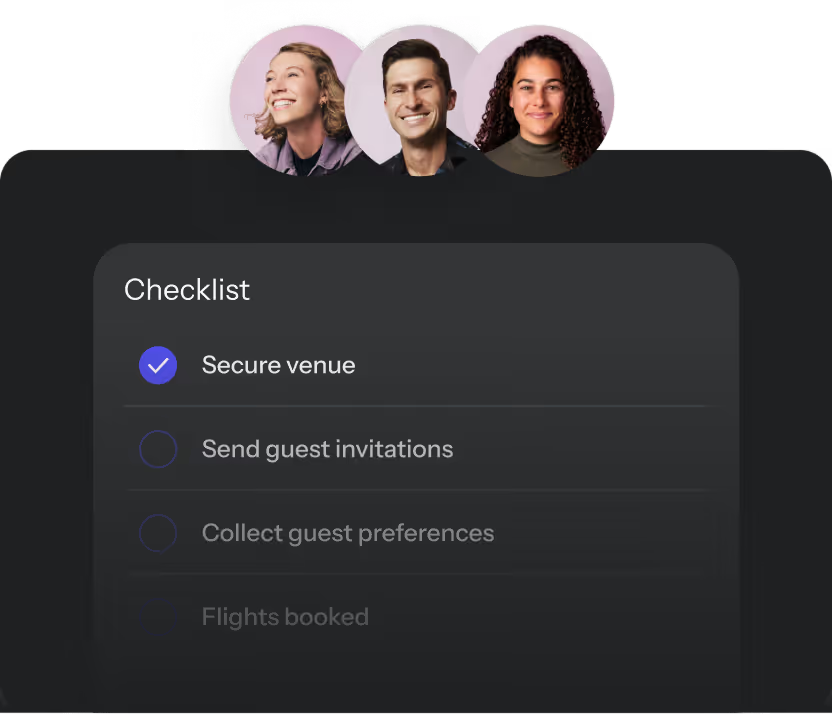
A single intake form covering event type, estimated headcount, preferred dates, location, and budget does two things at once: it gives teams a clear starting point and gives approvers the information they need to respond quickly. The form should map to the tier and threshold system defined earlier so the right approver is notified automatically, without anyone having to chase it down.
BoomPop's Event Management Platform includes customizable event request forms and configurable approval workflows, which automate the intake-to-approval process rather than managing it through email threads and spreadsheets.
Keep all event communication in one place
When planning conversations happen across email, Slack, and shared docs, decisions like vendor selections, budget approvals, and headcount changes get lost and nothing is auditable. Centralizing communication in one tool means anyone can see the current status, the budget remaining, and who approved what, especially when a new stakeholder joins late.
Assign one owner per event
When ownership is shared or undefined, budget accountability diffuses. One named person tracks actuals, submits receipts, and flags if spend is trending more than 10% over budget.
How do you keep event spend visible in real time?
Visibility is not the same as approval - teams can see real-time spend data without needing sign-off on every transaction. The goal is awareness, not control. Once teams are planning within guardrails, the next challenge is catching budget problems early enough to fix them.
Track planned versus actual spend as it happens
Planned budget is what was approved. Actual spend is what has been committed or invoiced. Teams should update actual spend as they book vendors, not just at the end, so a running total against the approved budget surfaces problems days or weeks before the event when there is still time to adjust.
A venue quote that lists "$5,000 for meeting space" but omits the 22% service charge, 8% tax, and $1,200 AV setup fee is not a $5,000 quote. Teams that ask for full cost breakdowns upfront avoid the invoice surprise entirely.
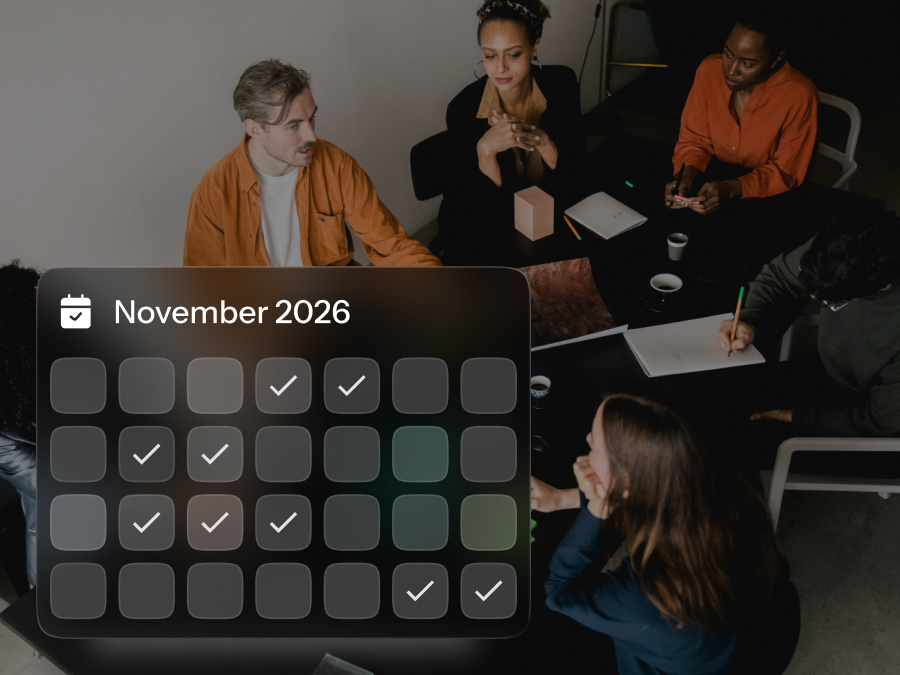
BoomPop's Company Event Hub surfaces budget data across all live and upcoming events in one dashboard, giving HR and ops leaders portfolio-level spend visibility rather than requiring them to chase down individual event owners for updates.
Watch headcount-driven costs closely
Catering, hotel room blocks, and activity pricing all scale with headcount, so a late change in attendee count can shift the budget significantly. Teams should lock headcount at least two weeks before the event and build a 5–10% buffer into per-person estimates.
Internal corporate events typically see no-show rates between 10% and 20%. A guaranteed meal count of 100 can result in 10 to 20 paid-but-uneaten plates if the guarantee was set too high.
Review vendor invoices before final payment
Common unexpected invoice line items include:
- Resort fees and destination charges
- Setup and breakdown labor
- AV add-ons and rigging fees
- Service charge stacking on top of F&B minimums
Comparing every invoice against the original contract before approving payment is a one-time habit that prevents invoice discrepancies, which account for a significant portion of budget overruns.
How do you improve the process after each event?
The post-event review cycle is what turns one-off events into a repeatable, improving program - reducing budget variance and increasing attendee satisfaction over time. This is not about building a dedicated analytics function with complex dashboards. It is about a feedback loop that makes the next event easier to plan and more predictable to budget.
Measure attendee experience
A short post-event survey, even three to five questions covering satisfaction, logistics, and likelihood to attend again, tells you whether the event achieved its purpose. NPS (targeting 50+ for successful events) or a simple satisfaction score on a 1–5 scale is enough to track trends over time. When leadership asks whether the offsite was worth it, attendee feedback - such as an NPS of 60 or 90% satisfaction rating - is the clearest answer available.
Review budget variance
Compare final spend against the approved budget for every event, and note where the gaps were. When you can show that the last four team offsites came in within 5% of budget, the next request gets approved faster.
- Did a specific cost category consistently run over? Adjust the range for that tier.
- Was the per-person estimate accurate? If not, update it before the next cycle.
- Were there invoice surprises? Add those line items to the vendor briefing checklist.
Update event policy after each cycle
Guardrails set once will go stale. After a few events, the team will have real data on what the ranges should be, which vendors performed, and where the approval thresholds were too tight or too loose. A light review once per quarter or after each event exceeding $10,000 keeps the policy current. This is how autonomy scales - supporting more team-planned events each quarter without budget exceptions or overruns increasing over time.
FAQ
What event costs should always require approval?
Any spend above the defined budget threshold for its tier, plus any vendor contract that includes cancellation penalties, attrition clauses, or multi-event commitments. These carry financial risk beyond the event itself - such as penalties of 50% or more of the contract value - and should always have a sign-off before commitment.
How much budget contingency should each event carry?
A contingency buffer of roughly 10% of the total event budget is a standard starting point to cover unexpected costs like last-minute headcount changes, AV additions, or service charge surprises. Teams should treat this as a reserve for unexpected costs like last-minute AV needs, not a spending target.
How often should event budget ranges be reviewed?
Budget ranges should be reviewed at least once a year and after any event where actual spend diverged significantly from the estimate. Costs for venues, F&B, and travel can shift 10–20% annually with market conditions and company growth, so ranges set two years ago may no longer reflect reality.
What happens if a team goes over budget?
The more useful question is why it happened: was the range too tight, was a cost category not accounted for, or did the team skip a step in the process? Use the variance to improve the policy - for example, if catering consistently runs 15% over, adjust the per-person range - not just to assign blame.
What metrics show that event autonomy is working?
The clearest signals are fewer escalations to central approvers, budget variance staying within the contingency range, and consistent attendee satisfaction scores across team-planned events. If teams are planning 20% more events year-over-year without an increase in budget exceptions, the system is working.
Start planning smarter with BoomPop
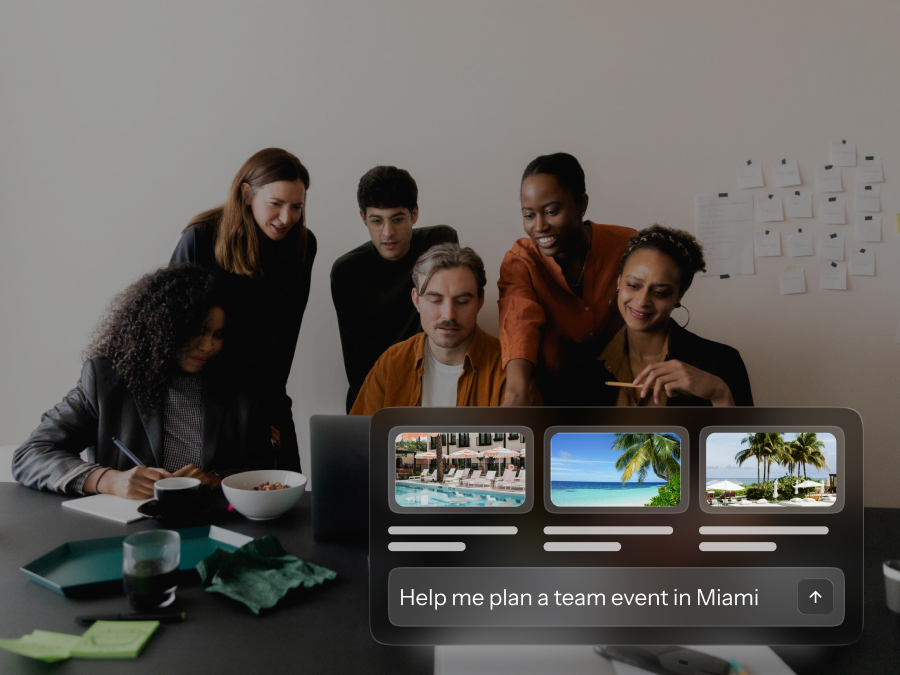
BoomPop's Event Management Platform gives teams a structured intake process through customizable event request forms, configurable approval workflows that route requests based on tier and threshold, and a Company Event Hub that surfaces portfolio-level visibility across all live and upcoming events. Teams can submit requests, track budgets, and manage logistics in one place, while HR and ops leaders keep spend visible without micromanaging every decision.
Start planning in 2 minutes or less

.avif)

.svg)