
The venue contract is signed. The room block is committed. The catering estimate is in the budget.
Then headcount changes. Or the date shifts by a week. Or the original quote didn't include the breakout room your agenda now requires.
Now you're back in negotiation with a vendor you've already committed to. The dynamic has shifted: they know you're invested, they know your timeline is tight, and whatever goodwill existed in the initial negotiation has been replaced by friction. You'll probably get what you need - but you'll pay more for it, spend time you don't have, and create exactly the kind of vendor relationship stress that makes event planning harder than it needs to be.
Renegotiating with vendors isn't always avoidable. But it's more avoidable than most event planners realize. Here's how to reduce how often it happens.
Why renegotiation happens more than it should
Most vendor renegotiations for corporate events are caused by one of four things:
Incomplete information at contract signing. The most common cause. The original contract was based on a headcount that wasn't confirmed, a scope that wasn't fully defined, or a quote that didn't include all fee categories. When reality diverges from the contract terms, renegotiation is required.
Headcount changes after commitment. Corporate headcount decisions and event planning decisions operate on different timelines. A headcount freeze date of "we'll know closer to the event" is not a planning assumption - it's a renegotiation waiting to happen.
Scope creep without contract amendment. The event starts as a simple dinner. Then someone adds a keynote speaker. Then the AV requirements expand. Then the reception gets extended by an hour. None of these changes get formally captured in the vendor agreement, and the resulting invoice contains surprises that require after-the-fact negotiation.
Inadequate flexibility terms in the original contract. Some renegotiations are truly unavoidable - things change, businesses evolve, circumstances shift. The question is whether the original contract included provisions for those changes. If it did, the change is a contract management exercise, not a renegotiation. If it didn't, you're starting from scratch with less leverage than you had originally.
Get to a real headcount before signing anything
The most effective single change most event planners can make: refuse to sign a vendor contract until headcount is confirmed, not estimated.
This requires organizational discipline that's sometimes uncomfortable to enforce. "We'll finalize headcount as we get closer" is not a planning answer - it's the absence of one. Pushing back on that answer, and holding the venue sourcing process until a real number is available, prevents the most common source of renegotiation.
In practice: establish a headcount confirmation deadline that is earlier than you think you need. If contracts need to be signed eight weeks before the event, set the headcount deadline at ten weeks. The buffer creates room to manage the inevitable last-minute changes without triggering contract amendments.
When headcount truly can't be confirmed early - for events where attendance depends on decisions being made closer to the date - build explicit range provisions into the original contract rather than using the most likely number as if it were certain.
Negotiate flexibility terms upfront, not when you need them
Every significant event vendor relationship should include negotiated flexibility provisions in the original contract. These are terms that allow changes to be made within defined parameters without triggering a renegotiation.
Common flexibility terms worth negotiating at contract signing:
Room block adjustment window. The ability to increase or decrease the committed room block by a defined percentage (typically 10–15%) up to a specific number of days before the event (typically three to four weeks), without penalty or renegotiation. Hotels negotiate this regularly - you just have to ask for it.
F&B minimum adjustment. If the food and beverage minimum is based on a headcount estimate, negotiate the right to adjust it proportionally if headcount changes beyond a defined threshold. This doesn't eliminate the minimum - it creates a mechanism to modify it without a full renegotiation.
Attrition threshold. Hotels typically require 80–90% of the committed room block to actually be occupied, with penalties for shortfall. Negotiating this threshold down - to 75% or even 70% - reduces renegotiation risk if attendance comes in below projection. This is easier to negotiate in the original contract than after the fact.
Scope modification window. For catering and activity vendors, negotiate a window during which scope changes can be made without additional fees. "Final numbers and any scope changes are due 14 days before the event; changes after that date are subject to a change-order fee" is a reasonable provision that protects both parties.
These provisions have a cost - the vendor is taking on more flexibility risk, and may price it accordingly. The cost of negotiating flexibility upfront is almost always lower than the cost of a mid-planning renegotiation.
Write the scope clearly enough that both sides mean the same thing
Many vendor renegotiations result not from changes to the event, but from misalignment about what the original contract actually covered.
"Full AV setup" means different things to the event planner and the AV vendor. "Conference room use" may or may not include setup and breakdown time in the hotel's definition. "Catering for 80 guests" may not include the vendor staff required to serve 80 guests.
The fix: write the scope in operational terms, not categorical ones. Not "full catering service" but "seated dinner for 80 guests, four courses, full service staff including one server per 20 guests, setup beginning at 5:30pm, service from 7:00–9:30pm, breakdown complete by 11:00pm." Not "AV support" but "two wireless lavalier microphones, two handheld microphones, one 16:9 projection screen of at least 100 inches, one wireless clicker, tech support from setup through teardown."
This level of specificity feels like overkill until the moment when a vendor's invoice includes charges for something you thought was included. The five minutes it takes to write the scope clearly saves the thirty minutes it takes to dispute an invoice and the vendor goodwill that gets spent in the process.
Manage vendor relationships proactively between events
The best-positioned companies in vendor negotiations are the ones their vendors want to work with again. Vendors who trust a client - who pay on time, communicate clearly, and bring repeat business - are more flexible when unexpected changes arise and more willing to absorb scope adjustments without invoicing them.
Vendor relationship management for events doesn't require a formal program. It requires a few consistent practices:
Pay invoices promptly. Events are often treated as accounts payable after-thoughts. Vendors who get paid late add it to their mental model of what it's like to work with you. On-time payment is the single highest-leverage relationship-building action available.
Communicate changes early. When you know headcount is going to change, tell the vendor as soon as you know - even if it's before the contractual notice period. Early communication gives vendors time to adjust operationally and creates goodwill that pays back in flexibility.
Acknowledge good work specifically. After an event where a vendor performed well, tell them specifically what they did well. Vendors who feel genuinely appreciated treat those clients differently when the next negotiation or change request arrives.
Consolidate vendor relationships over time. Working with the same venues, caterers, and activity vendors across multiple events builds genuine relationship capital. A vendor who has done five events with your company will accommodate changes that they'd charge a new client for.
When renegotiation is unavoidable
Some changes genuinely require going back to a vendor: major headcount shifts, fundamental scope changes, date movements that affect the vendor's operational plans. These can't always be prevented.
When renegotiation is unavoidable, the approach that produces the best outcomes:
Frame it as a modification, not a problem. The conversation should be: "Here's what's changing and why, here's the impact on the original contract, and here's what we need to make it work." Not: "We have an issue."
Come with a proposed solution. Vendors respond better to "we'd like to adjust the room block from 60 to 75 and are happy to increase the F&B minimum proportionally - can we handle it with an addendum?" than to "things changed and we need to figure out what to do."
Document every modification in writing. Every change to an event scope or contract needs a written confirmation, even if the original negotiation happened by phone. "Per our conversation today, we're adjusting..." is the minimum. A formal contract addendum is better. Undocumented verbal agreements produce disputes.
How BoomPop reduces renegotiation risk
The two most common causes of vendor renegotiation - incomplete information at contract signing and headcount changes after commitment - are both addressed by how BoomPop approaches event planning.
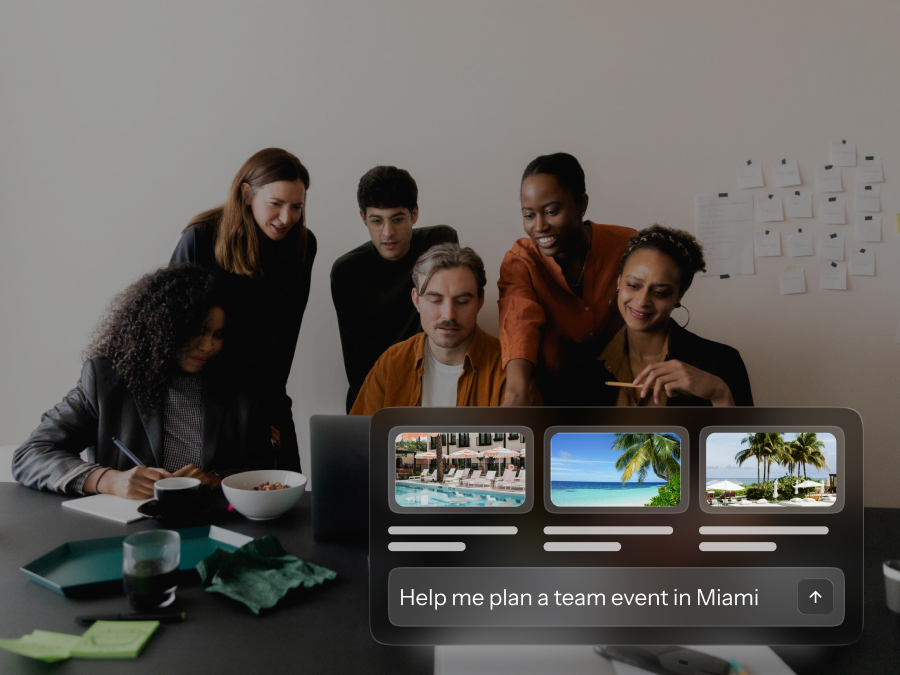
The platform's AI-assisted venue discovery surfaces complete pricing information, including F&B minimums, room block requirements, and additional fee categories, before initial quotes are submitted. The information that usually produces renegotiation surprises is surfaced during planning, not after contracts are signed.
For the headcount problem: BoomPop's guest management tools track RSVPs, preferences, and attendance confirmation in real time, giving planners accurate headcount data earlier in the planning cycle. Combined with the platform's vendor network - where established relationships often produce more flexibility on contract terms - the structural conditions that create renegotiation are reduced before the first vendor conversation begins.
And when changes do require vendor negotiation, BoomPop Studio's in-house event team has navigated hundreds of vendor relationships and can support those conversations directly - as a partner, not a separate agency you're managing alongside everything else.
Start planning in 2 minutes or less

.avif)

.svg)